эпоксидная краска для пола на водной основе

Дом

эпоксидная краска для пола на водной основе

  • Water-Based Epoxy Color Sand Floor Paint: A Perfect Alternative to Marble and Ceramic Tiles
    Water-Based Epoxy Color Sand Floor Paint: A Perfect Alternative to Marble and Ceramic Tiles
    May 11, 2026
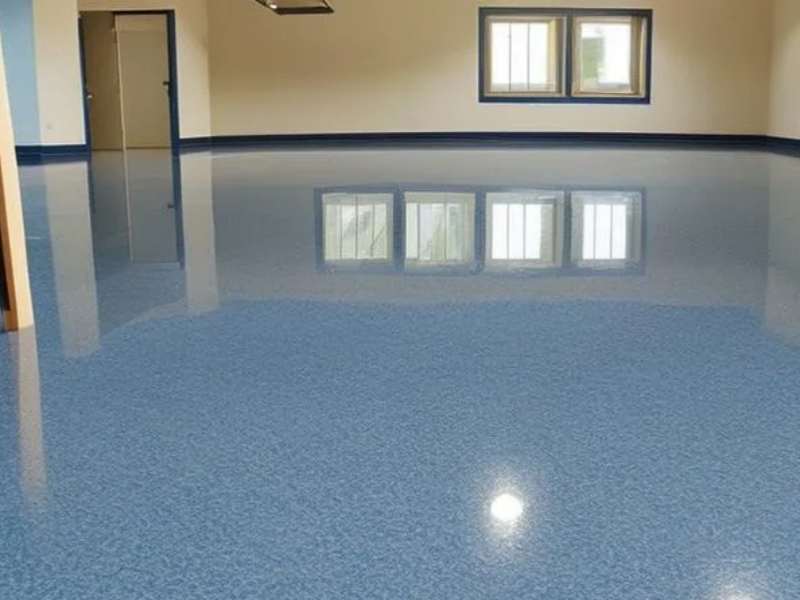
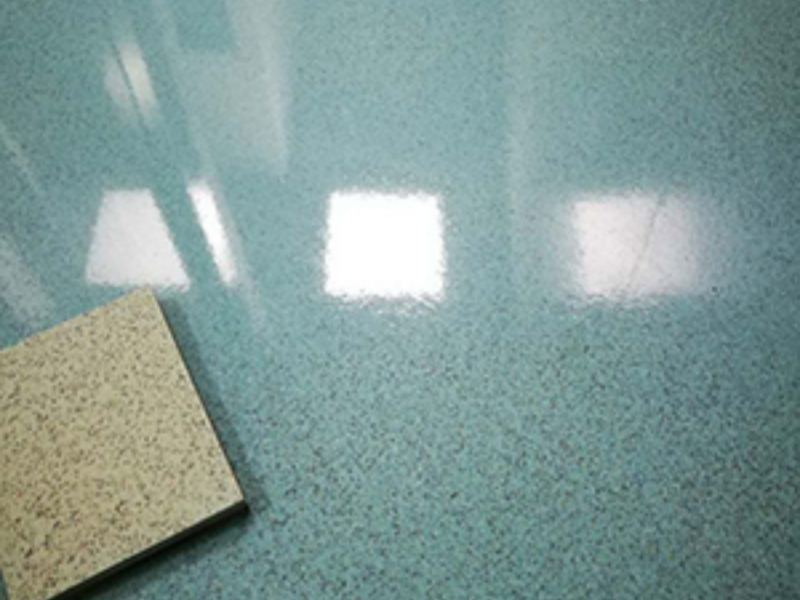
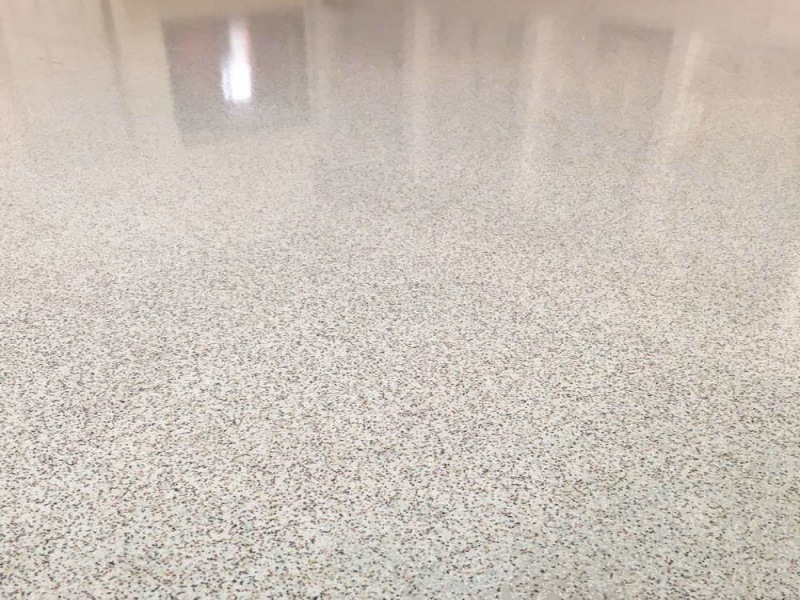
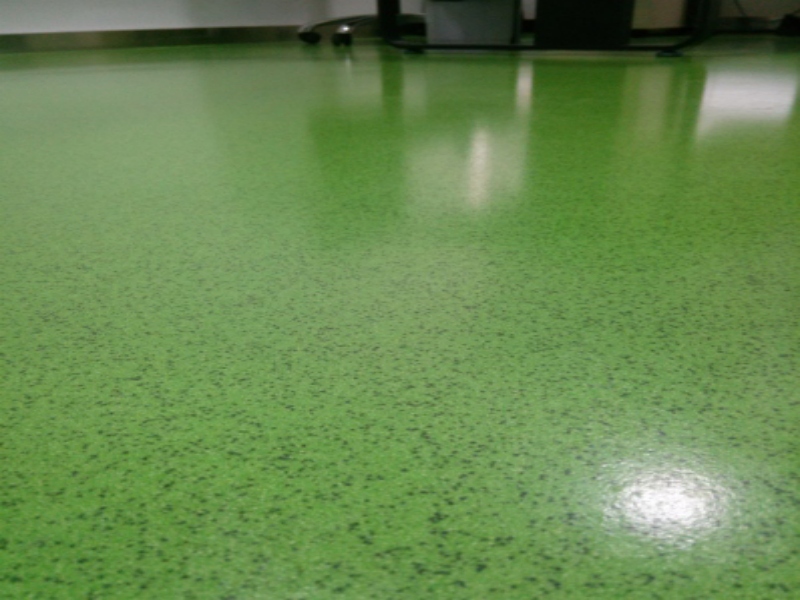
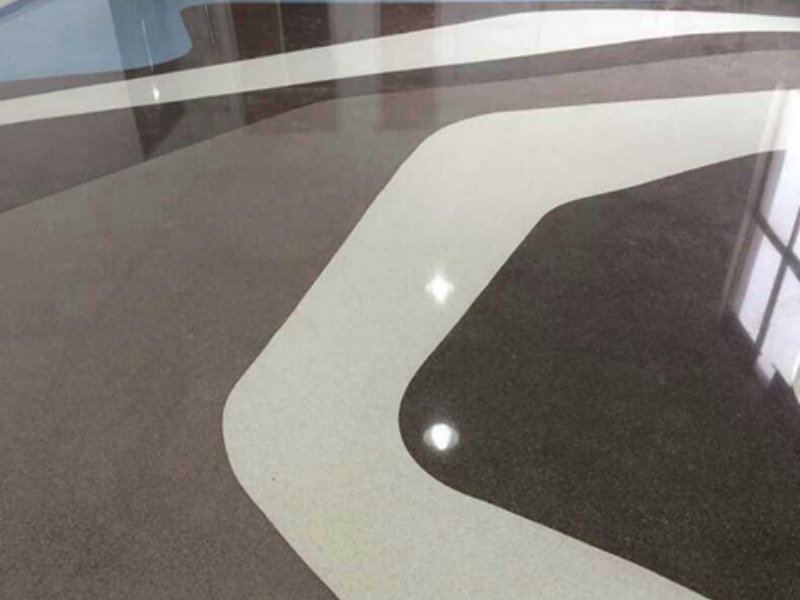
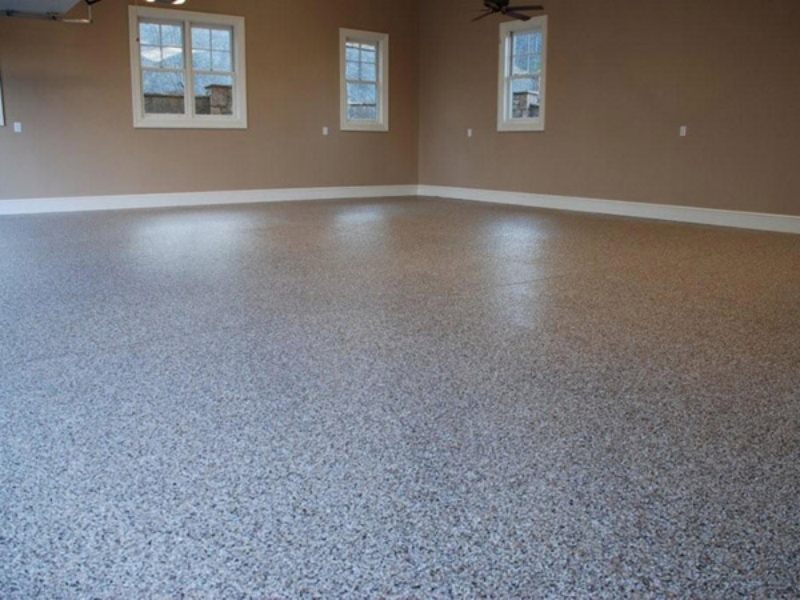
    Nowadays, marble and ceramic tiles have long been mainstream choices for interior flooring and wall decoration. However, they come with obvious drawbacks such as cold touch, slippery surface, complicated installation and high maintenance costs. As an innovative green flooring material, water-based epoxy color sand floor paint has gradually become a popular substitute for marble and tiles in residential, commercial and industrial spaces.   1. Overall Appearance & Aesthetic Effect Many people choose marble and tiles mainly for their beautiful texture and rich colors. Water-based epoxy color sand floor paint fully inherits the aesthetic advantages of traditional materials while creating a more unique visual experience. It can be customized into various tones, including classic gray, elegant beige, fresh blue and mixed color styles. The natural granular texture is delicate and layered, presenting a high-end decorative effect similar to natural marble. Unlike tiles with obvious grout lines, epoxy color sand forms an entirely seamless surface. There are no gaps on the floor, making the whole space look more spacious, integrated and modern. Whether for home decoration, exhibition halls, offices or retail stores, it can create a premium visual atmosphere. 2. Performance Comparison: Durability & Practicality Anti-slip & Safety Polished marble and glazed ceramic tiles are extremely slippery, especially when wet, which easily causes falls and hidden safety hazards, especially in corridors, bathrooms, garages and public areas. Water-based epoxy color sand floor paint has uniform fine sand particles on the surface. It maintains excellent anti-slip performance whether dry or wet, greatly improving walking safety. This feature makes it ideal for families with the elderly and kids, as well as high-traffic commercial venues. Wear Resistance & Service Life Natural marble has relatively low surface hardness. It is easy to leave scratches, abrasion marks and stains after long-term use, and it is also prone to cracking under heavy pressure. Ceramic tiles may crack or become loose at the grout after years of trampling. After complete curing, water-based epoxy color sand floor paint forms a high-hardness dense layer. It resists daily friction, rolling of light vehicles and heavy pedestrian flow. It is not easy to scratch, crack or peel off. With normal use and maintenance, its service life is comparable to or even longer than traditional marble and tiles. Waterproof, Stain-resistant & Easy Cleaning Marble has porous characteristics, so oil, coffee, juice and other stains will penetrate into the interior and leave permanent marks. Tile grout lines are easy to accumulate dust, mold and dirt, which are difficult to clean thoroughly. Water-based epoxy color sand floor paint is fully dense and non-porous. It is waterproof, oil-proof and anti-fouling. Daily dust and stains can be wiped clean just with a mop or rag. No special cleaning tools or chemicals are needed. There are no grout lines to hide dirt and mold, keeping the space hygienic all the time. 3. Environmental Protection & Comfort Natural marble may contain trace radioactive substances, which is not friendly for long-term indoor use. Traditional tile laying requires a lot of cement and auxiliary materials, and the construction process produces dust and noise. Water-based epoxy color sand floor paint uses water as the solvent, featuring low VOC, no pungent odor and formaldehyde-free. It meets international environmental standards such as CE and SGS. Construction is clean and quiet, and the space can be put into use quickly after curing. In terms of foot feel, marble and tiles are cold and hard all year round. Epoxy color sand has moderate softness and warmth, bringing a more comfortable walking experience for families and office staff. 4. Construction & Comprehensive Cost Natural marble is expensive in material cost, and the cutting, transportation and professional laying process require high labor costs and long construction cycles. The overall investment is very high. Ceramic tile construction also needs multiple processes including ground leveling, tile pasting and grout filling, which takes a lot of time and labor. Water-based epoxy color sand floor paint has simple construction procedures. It can be directly constructed on a flat base surface with fast curing speed and short project cycle. From material cost to construction cost, its total budget is much lower than marble, and also more economical than high-grade ceramic tiles. It is a cost-effective choice for large-area paving projects.  
    ЧИТАТЬ ДАЛЕЕ
  • Water-Based Epoxy Color Sand Floor Coating: Features, Applications and Installation Guide
    Water-Based Epoxy Color Sand Floor Coating: Features, Applications and Installation Guide
    May 08, 2026
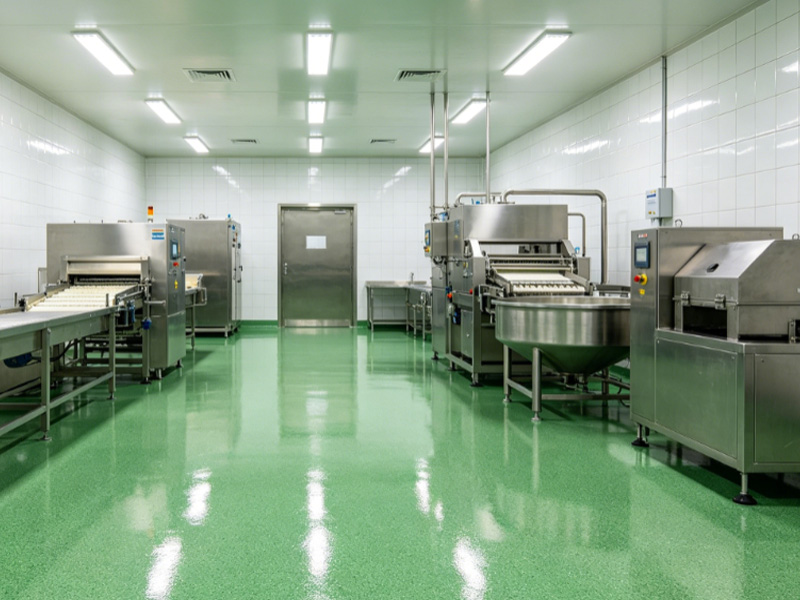
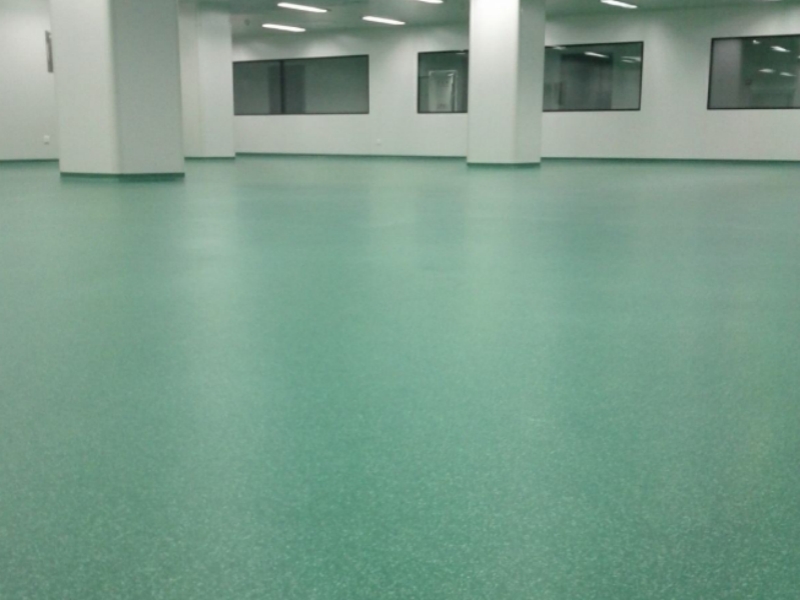
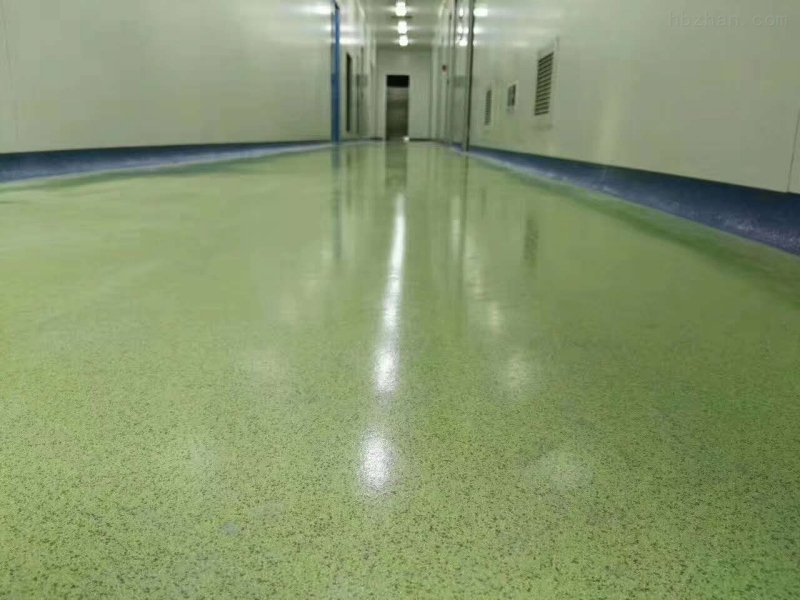
    1. What Is Water-Based Epoxy Color Sand Floor Coating? Water-based epoxy color sand floor coating is a new type of green environmental protection flooring material. It uses water-based epoxy resin as the main material and mixes with special colored quartz sand. After professional on-site mixing and roller coating or trowel construction, it forms a seamless, dense, uniform, and high-grade floor surface. Different from ordinary plain epoxy floor paint, color sand floor coating has natural granular texture, rich color layers, and a matte or semi-gloss finish. It avoids the problem of dazzling high-gloss reflection and provides a more comfortable and advanced visual effect. 2. Core Advantages of Water-Based Epoxy Color Sand Flooring Eco-friendly and Low VOC Water-based formula uses water as the dilution medium, no strong pungent odor, low VOC content, and meets international environmental protection standards such as CE and SGS. It can be constructed in occupied spaces and is very suitable for indoor closed environments. Seamless and Easy to Clean The integral seamless floor surface does not hide dust or bacteria. The dense coating effectively resists daily dust, oil stains, and dirt. Daily cleaning only requires simple mopping, which greatly reduces later maintenance costs. Excellent Wear and Scratch Resistance After curing, the color sand floor forms a high-hardness protective layer. It can resist frequent pedestrian walking, light trolley rolling, and daily friction, ensuring long-term service life in high-traffic areas. Anti-slip and Safe The fine granular texture provides stable anti-slip performance, even when the floor is slightly wet. It effectively prevents slipping accidents and is safer than ordinary smooth epoxy floors. Rich Colors and High Aesthetics Color sand supports customized color matching, including gray series, blue series, green series, beige series, and mixed color styles. The overall texture is natural, high-end, and not easy to fade, perfectly matching modern minimalist, industrial, and commercial decoration styles. 3. Main Application Scenarios Commercial Spaces Shopping malls, exhibition halls, office buildings, studios, and gyms prefer water-based color sand floor coating because of their high-grade texture, no odor after construction, and fast delivery. Industrial Workshops Electronics factories, food workshops, pharmaceutical workshops, and light industrial factories require clean, dust-free, and environmentally friendly floors. Water-based color sand is dust-proof, antibacterial, and compliant with industrial clean standards. Underground Parking Garages Garages need anti-slip, wear-resistant, and stain-resistant floors. Color sand garage floors can effectively solve tire friction marks, dust, and slippery problems, while improving the overall grade of the parking lot. Residential Interior Flooring More families choose water-based epoxy color sand floor coating for living rooms, corridors, and duplex building floors. No formaldehyde, seamless integration, and customizable colors make the whole house more simple and advanced. 4. Standard Installation Process Step 1: Floor base treatment — Grind, level, and remove dust to ensure a flat and solid base surface. Step 2: Primer coating — Roll water-based epoxy primer to enhance adhesion and seal the base floor. Step 3: Color sand mortar coating — Mix colored sand and water-based epoxy resin evenly, trowel or roll to form the main texture layer. Step 4: Topcoat protection — Apply transparent water-based topcoat to enhance wear resistance, anti-fouling, and gloss uniformity.
    ЧИТАТЬ ДАЛЕЕ

  • Who is best suited for water-based epoxy colored sand floor paint? Five precise matchmaking groups, no more confusion!
    Who is best suited for water-based epoxy colored sand floor paint? Five precise matchmaking groups, no more confusion!
    May 06, 2026
    "Is water-based epoxy colored sand floor paint suitable for my home?" Many people have this question during renovations. The truth is, there's no "one-size-fits-all" flooring material, only "suitable" groups. Today, we've summarized five groups most suited for water-based epoxy colored sand floor paint, and based on their core needs, we'll help you quickly determine if you fit the bill.   1. Families with elderly and children - Prioritize "environmental safety" Core needs: The floor should be non-toxic, non-slip, and resistant to bumps and bruises, preventing children from chewing on it and elderly people from slipping and injuring themselves. Reasons for Suitable: Water-based epoxy colored sand floor paint has a low VOC content (≤100g/L) and releases no formaldehyde or heavy metals after curing, making it suitable for barefoot children. The medium sand particle size (0.5-1mm) and matte finish provide an anti-slip coefficient of ≥0.6, preventing elderly people from slipping. The high surface hardness prevents children from jumping and toys from bumping into it, and subsequent cleaning requires only a damp cloth, saving time and effort.   Recommended Solution: Use light gray and off-white 0.5mm fine sand (matte finish) throughout the home. Add cartoon mosaics to the children's room. Use 1mm medium sand for enhanced anti-slip properties around the kitchen and bathroom doorways.   2. Pet-Friendly Homes - Addressing the Pain Points of "Scratching and Urine Stains" Core Requirements: Floors should be scratch-resistant, urine-resistant, and easy to clean, preventing damage from pets and urine odors. Suitable for: Water-based epoxy colored sand floor paint has a surface hardness of 2-3H, leaving no visible scratches from pet claws. The acid- and alkali-resistant topcoat resists pet urine, leaving no traces within 12 hours. The seamless design traps fur, allowing daily vacuuming without frequent mopping (to prevent slippery, damp feet).   Recommended: Use light brown and dark green 0.8mm medium sand (matte finish) throughout the home. Create a 0.5% slope (inclining toward the drain) in the pet restroom area, and partially thicken the floor in the eating area to 2mm.   3. Renovators of older homes – Seeking "saving time, effort, and no disruption to neighbors"   Core needs: Avoiding the cost of demolishing the old floor (which is costly and disruptive), ensuring no reduction in floor height after renovation, and enabling quick move-in. Suitable for: Water-based epoxy colored sand floor paint can be applied directly onto smooth, old tile or concrete floors (no brick removal required), shortening the construction period by 3-5 days and reducing neighborhood complaints. With a total thickness of only 1-2mm, it preserves the valuable height of older homes (especially suitable for homes with ceilings under 2.7 meters). It's environmentally friendly and can be moved in 7-15 days after application, allowing for ventilation and eliminating the need for long-term rental transitions.   Recommended: Sand the old tile floor before applying directly. Choose a 0.5mm fine sand that matches the original floor color, and create a patchwork pattern to cover imperfections in the old floor.   4. Basement Renovation - Overcoming the "Moisture and Mold" Challenge   Core Requirements: Moisture-resistant, moisture-resistant, and wear-resistant flooring for basement conversion into storage, garage, or media room. Reasons for selection: The water-based epoxy colored sand  floor paint  seamless sealant + moisture-proof primer blocks moisture penetration from the basement, preventing water seepage and mold growth during the rainy season. The surface is moisture-resistant and mildew-resistant, preventing mold growth even in poorly ventilated basements. Its high pressure resistance allows it to withstand the weight of storage racks and vehicles, making it suitable for a variety of basement functions.
    ЧИТАТЬ ДАЛЕЕ
  • Common Myths About Water-Based Epoxy Colored Sand Floor Paint Debunked: 5 Misconceptions to Avoid!
    Common Myths About Water-Based Epoxy Colored Sand Floor Paint Debunked: 5 Misconceptions to Avoid!
    May 05, 2026
    Myth 1: Water-Based Epoxy Colored Sand is Not Abrasion-Resistant and Will Flake Off After One Year   Truth: High-quality water-based epoxy colored sand floor paint has a surface hardness of 2-3H and an abrasion resistance coefficient ≥0.5g/1000 revolutions (national standard requirement ≤0.8g/1000 revolutions). With normal household use (average daily foot traffic ≤100), it can last 8-15 years and won't flake off after one year.   Causes of flake off: Most often due to purchasing inferior product (poor compatibility between colored sand and resin) or an imbalance in the ratio of colored sand to curing agent during application (too little curing agent), rather than inherent abrasion resistance of the water-based paint.   Verification Method: Ask the merchant for an "Abrasion Resistance Test Report" when purchasing, and supervise workers during application to ensure they mix the materials according to the product instructions.   Myth 2: Water-based epoxy floor paint is less durable than solvent-based epoxy floor paint.   Truth: The core difference between the two lies in the solvent, not durability. High-quality water-based epoxy floor paint  and solvent-based epoxy floor paint offer similar abrasion and compression resistance, but water-based paint is more environmentally friendly (lower VOC content) and more flexible (elongation at break ≥20%, compared to approximately 10% for solvent-based flooring). It is also less susceptible to cracking due to temperature fluctuations, making it suitable for colder northern regions.   Myth: Some people believe that "solvent-based flooring has a stronger odor = more durable." In reality, the strong odor is due to the presence of large amounts of organic solvents and has nothing to do with durability.   Myth 3: Floors become slippery in rainy weather, making them unsafe for the elderly and children.   Truth: Water-based epoxy floor paint contains inherent colored sand particles with an anti-slip coefficient of ≥0.5 (the national standard requires ≥0.5 for public spaces and ≥0.4 for homes). When water accumulates on rainy days, the gaps between the particles allow water to escape, making it more slip-resistant than smooth ceramic tiles (with an anti-slip coefficient of approximately 0.3). Slippery Causes: Selecting fine sand (<0.3mm) with glossy topcoat (surface too smooth), or greasy floor stains (greasy floor stains reduce the anti-slip coefficient). Solution: For homes and public spaces, prefer medium sand (0.5-1mm) with matte topcoat, and clean the floor regularly.   Myth 4: The space needs to be ventilated for 3 months after construction before moving in.   Truth: High-quality water-based epoxy colored sand floor paint has a VOC content of ≤100g/L, has no noticeable pungent odor during construction, and releases ≤0.03mg/m³ (formaldehyde) after curing (7 days). Ventilation is sufficient for 7-15 days before moving in, eliminating the need for a "3-month ventilation" period.   Source of Misconception: Confusion between "water-based paint" and "solvent-based paint." Solvent-based epoxy floor paint, due to its high VOC content (≥300g/L), requires 1-3 months of ventilation, while water-based paint does not. Verification method: Test with a formaldehyde detector after construction. If the readings meet the standard, you can move in.   Myth 5: The brighter the color, the less environmentally friendly it is.   Truth: The environmental friendliness of water-based epoxy colored sand floor paint depends on the resin purity and solvent content, not the color. High-quality, bright colors (such as red and blue) use inorganic pigments (which are environmentally friendly and non-toxic), and their VOC content can also be ≤100g/L. Low-quality, light-colored paints that contain organic solvents will also fail to meet environmental standards. Avoidance method: Regardless of the color, always check the environmental test report (focusing on VOC, formaldehyde, and heavy metal content) rather than judging based solely on color.
    ЧИТАТЬ ДАЛЕЕ
  • Pairing Water-based Epoxy Colored Sand Floor Paint with Soft Furnishings: Three Principles + Scene Design to Enhance the Sense of Luxury
    Pairing Water-based Epoxy Colored Sand Floor Paint with Soft Furnishings: Three Principles + Scene Design to Enhance the Sense of Luxury
    May 02, 2026
    1. Three Key Coordination Principles to Avoid Overdoing It   Color Coordination: Follow the "6:3:1" rule: The floor color should account for 60% of the space's color palette (primary color), the walls 30% (secondary color), and the soft furnishings (curtains, pillows) 10% (accents). For example: Choose light gray colored sand for the floor (primary color), off-white latex paint for the walls (accents), and light blue for the curtains and pillows (accents) for a harmonious, seamless overall look.   Textural Complementarity: Balancing "hard" and "soft": Water-based epoxy colored sand (especially coarse sand) has a "hard" grainy texture and needs to be balanced with softer soft furnishings—such as fabric sofas, carpets, and cotton and linen curtains. Avoid using only hard materials like metal and glass, which can create a cold, stark impression. Consistent Style: The floor texture should match the overall style: For a modern minimalist look, choose fine sand (0.3-0.5mm) with a matte finish, perfect with minimalist furniture; for a retro look, choose coarse sand (1-1.5mm) with a distressed finish, perfect with vintage wood and leather furniture; for an industrial look, choose dark gray coarse sand, perfect with iron and concrete soft furnishings to avoid mixing styles.   2. Apply the matching scheme to different spaces directly   Living Room: Emphasize "Warmth and Practicality"   Floor: Light gray 0.5mm fine sand (matte finish), versatile with any furniture.   Soft Furnishings:   Furniture: Natural wood-colored fabric sofa (soft texture to offset the graininess of the floor), black metal coffee table (with a few touches of cool, hard texture).   Walls: Off-white latex paint, with a simple linear painting (the color matches the sofa cushions).   Floor: Light gray low-pile rug (placed in front of the sofa to avoid blocking the floor texture), with matching cushions in the same color.​ Bedroom: Create a "Quiet and Comfortable" Atmosphere   Floor: Light brown 0.3mm fine sanding (matte finish), warm and non-glaring.   Soft Furnishings:   Furniture: White solid wood bed (warm texture harmonizes with the floor), light brown bedside table (matches the floor color to enhance unity).   Walls: Light beige latex paint, warm-toned abstract painting above the bed.   Floor Decoration: White plush mat next to the bed (easy to walk on barefoot), light brown linen curtains (transparent and non-glaring).   Café: Create a "Retro and Artistic" Check-in Spot   Floor: Caramel 1.5mm coarse sanding (distressed finish), with a vintage feel.   Soft Furnishings:   Furniture: Dark brown leather sofa (matches the floor color to enhance the retro feel), natural wood solid wood tables and chairs (warm texture neutralizes the coarse sand particles). Walls: Cement paint (partial) + off-white latex paint (main body). Hang retro posters and wooden shelves (for plants and books). Lighting: Warm yellow pendant lamp (2.2-2.5 meters above the floor). The light shines on the floor, highlighting the texture of the colored sand particles.   3. Avoiding Pitfalls: 3 Coordinating Mistakes Don't Choose "Highly Saturated Colors" for Floors with "Highly Saturated Colors" for Soft Furnishings: For example, a red floor with an orange sofa can be too visually impactful and cluttered. It's recommended to pair a high-saturated floor (such as dark green or caramel) with low-saturated soft furnishings (white, gray, or beige). Don't overlook the impact of lighting on the floor: For basements and dark living rooms, choose a light-colored floor (such as off-white or light gray) and pair it with ceiling lights and spotlights to brighten the space. For bright living rooms, choose a dark floor (such as dark gray) and a warm-glowing pendant lamp to create a calming atmosphere. Don't use heavy carpeting for the entire floor: The texture of water-based epoxy colored sand floor paint is its highlight, and a full carpet will completely obscure it. Instead, use small rugs (≤ 1/3 of the floor area) to enhance the space without sacrificing the floor's aesthetic appeal.
    ЧИТАТЬ ДАЛЕЕ
  • Water-Based Epoxy Colored Sand Floor Paint Renovation Guide: 3 Situations with Targeted Treatment for a Cost-Effective and Effective Solution
    Water-Based Epoxy Colored Sand Floor Paint Renovation Guide: 3 Situations with Targeted Treatment for a Cost-Effective and Effective Solution
    Apr 27, 2026
    After 5-8 years, water-based epoxy colored sand floor paint may experience problems such as loss of gloss, localized scratches, and minor delamination. Targeted renovations can restore its beauty without requiring a complete overhaul. Today, we'll share renovation tips for three common situations to help you save over 50% in renovation costs. Situation 1: Gloss loss and shallow scratches only (no delamination or color shift) Cause: Long-term friction wears away the surface finish, causing it to lose its gloss and develop hairline scratches. Renovation Steps: Step 1: Clean the floor thoroughly with a neutral detergent and a soft mop to remove oil and dust. Allow to dry. Step 2: Lightly sand the floor using 1000-grit sandpaper (attached to a belt sander) to evenly polish the floor, removing any aging paint and exposing the fresh sand layer (avoid over-sanding, exposing the base layer). Step 3: Reapply a topcoat. Apply 1-2 coats of the same brand and type of water-based epoxy topcoat (matte/gloss finish, matching the original surface), leaving 12 hours between coats. Once dry, the gloss will be restored and the scratches will disappear. Situation 2: Localized, minor delamination and fading (delamination area <10%) Cause: The base layer is partially damp, the edges were not properly prepared during construction, or the surface was exposed to direct sunlight, causing fading. Renovation Steps: Step 1: Remove the damaged area. Use a utility knife to cut along the delamination edge and remove the delamination sand layer (until the base layer is smooth). Sand the base layer to remove any remaining adhesive. Step 2: Prepare the base. If the base is damp, apply one coat of moisture-proof primer. If the base is dry, apply one coat of epoxy primer and let dry. Step 3: Fill the sand layer. Mix water-based epoxy sand of the same brand and hardener according to the original sand particle size (e.g., 0.5mm). Scrape and apply until flush with the original surface. Use a spatula to smooth the surface when it is partially dry to ensure a consistent texture. Step 4: Apply a topcoat. After the sand layer is completely dry (24 hours), apply one to two coats of the same type of topcoat. If the original floor has a patterned pattern, align the edges of the pattern to avoid color differences. Situation 3: Extensive delamination and cracking (damage area > 30%) Cause: Inadequate base preparation during original construction (e.g., lack of moisture-proofing), poor material quality, or cracking due to building subsidence. Renovation Steps: Step 1: Remove the entire old floor, scraping away all the colored sand layers until the base layer is exposed, and clear away any construction debris. Step 2: Thoroughly repair the base layer. Fill cracks in the cement base with epoxy mortar, remove any hollow areas, and re-cast cement mortar, ensuring a flatness tolerance of ≤3mm. Apply two coats of moisture-proof primer. Step 3: Reapply the colored sand layer, following the standard construction process for new floors (primer → mid-coat → topcoat). If the original look is desired, the original grain size and color of the colored sand must be replicated.
    ЧИТАТЬ ДАЛЕЕ
  • Water-based Epoxy Colored Sand Floor Paint Seasonal Application Guide: Avoid pitfalls in winter and summer, increase efficiency in spring and autumn
    Water-based Epoxy Colored Sand Floor Paint Seasonal Application Guide: Avoid pitfalls in winter and summer, increase efficiency in spring and autumn
    Apr 25, 2026
    1. Spring Application (March-May): Moderate humidity, focus on preventing "rebound"  Optimal application conditions: Temperature 15-25°C, humidity 40%-60% (measured with a hygrometer), avoid the "return of the south wind" (weather when water droplets form on walls and floors).  Key Points:  Close doors and windows before application, and use a dehumidifier to reduce indoor humidity (apply to humidity ≤ 60%) to prevent moisture from returning to the base layer, which can cause blistering later.  After applying primer and topcoat, maintain ventilation (but avoid strong winds to prevent rapid drying and cracking). Allow each coat to dry for 12-24 hours.  Advantages: Optimal temperature and humidity ensure uniform curing of the material, minimize color variation, and allow for normal use within 7 days of application.  2. Summer Construction (June-August): High temperature and high humidity, especially preventing bubbling and color shift  Optimal construction time: 9-11 AM and 4-6 PM (avoid midday heat), with temperatures ≤30°C and humidity ≤70%.  Key Points:  Mix materials as needed. Use the colored sand and hardener within 1 hour of mixing (high temperatures accelerate curing, and excessive use can cause lumps and render the paint unusable).  Apply thinly in multiple coats (each coat ≤0.5mm thick) to avoid thick coats that slow internal curing and wrinkles. If the temperature exceeds 30°C, dilute the paint with 5%-10% water (as directed in the product instructions) to extend its usable life.  Keep the paint out of direct sunlight (use curtains to block out the heat) to prevent uneven drying times in different areas and color shifts.  3. Autumn Construction (September-November): Suitable Temperatures, Focus on Preventing Over-Drying Optimal construction conditions: Temperatures of 10-20°C and humidity of 30%-50%, making this the most suitable season of the year. Key Points: Maintain a moderate indoor humidity. If the air is too dry (humidity <30%), place a basin of water around the floor to prevent the coating from drying too quickly and causing cracks. Close doors and windows within 24 hours after application to allow the coating to cure slowly. After 24 hours, gradually open windows for ventilation to improve adhesion. Advantages: Uniform curing speed, high surface smoothness, and minimal potential for later problems. 4. Winter Construction (December-February): Low-temperature drying, focus on preventing slow curing and cracking Optimal construction conditions: Temperature ≥10°C (work should be stopped if it falls below 10°C). Air conditioning or heating can be used to increase the temperature (but avoid allowing localized floor temperatures to exceed 20°C to prevent significant temperature fluctuations). Key Points: Preheat the materials indoors for 24 hours before application (to avoid materials that are too cold and slow to cure after mixing). Increase the curing agent in the colored sand/curing agent mix (up to 10% according to the product instructions) to accelerate curing. Extend the drying time to 24-48 hours per coat to avoid delamination caused by applying the next coat before it is completely dry. After application, close doors and windows and use heating to maintain a room temperature of ≥15°C for 7 days to ensure complete curing. Avoid opening windows immediately after application (low outdoor temperatures can cause the floor to cool rapidly, leading to cracking). Open windows gradually for ventilation after 7 days.
    ЧИТАТЬ ДАЛЕЕ
  • Water-based Epoxy Colored Sand Floor Paint Cost Control Guide: 4 Tips to Save 30% Without Sacrificing Quality
    Water-based Epoxy Colored Sand Floor Paint Cost Control Guide: 4 Tips to Save 30% Without Sacrificing Quality
    Apr 22, 2026
    Many people think water-based epoxy colored sand floor paint  is expensive, but with proper planning, you can save a lot of money without sacrificing quality. Today, we'll share four practical cost-control tips from three perspectives: material selection, construction optimization, and design plan, to help you avoid the "high price trap." 1. Choose the Right Materials: Don't blindly pursue "imported" products; high-quality domestic products offer better value for money. Choose a top-tier domestic resin brand: Imported water-based epoxy resin is 50% more expensive than domestically produced ones. However, top-tier domestic brands (such as Sanke Trees and Nippon Paint) offer resins with a purity of ≥95%, meet environmental and durability standards, and come with complete testing reports, making them a viable alternative to imported products. Choose local natural sand: Imported colored sand requires additional shipping costs (approximately 5-10 yuan/㎡). Local quartz sand and colored jade sand (such as those from Shandong and Jiangsu) are of comparable quality, 20% cheaper, and have a stable supply, preventing shortages and project delays. Packages are more cost-effective than buying them individually: Most brands offer a "primer + mid-coat colored sand + topcoat" package, which is 15%-20% cheaper than buying them separately and offers better compatibility (avoiding issues caused by incompatibility between brands). 2. Construction Optimization: Reduce "extra charges" and lower labor costs. Do the "preliminary base treatment" yourself: The construction team charges approximately 20-30 yuan/㎡ for base treatment (leveling and caulking). If the existing floor is flat, you can sand it yourself and repair minor cracks (purchase epoxy repair agent online for 5 yuan/㎡), saving labor. Choose "regular colors" for no customization fee: Special colors (such as Morandi colors or contrasting colors) require an additional customization fee of 10-15 yuan/㎡. Regular colors (light gray, off-white, dark brown) are in stock at no extra charge and are more stain-resistant and versatile. Avoid peak construction season: March to May and September to November are peak renovation seasons, and construction costs are 15% higher than off-season (December to February). If time permits, choosing off-season construction offers better value for money. 3. Simplify the design: Avoid over-design and prioritize practicality. Use a solid color for large areas and create small mosaics in selected areas: Complex mosaics throughout the house (such as geometric patterns) are 30 yuan/㎡ more expensive than a solid color. It's recommended to use a solid color for large areas, with small mosaics (such as 1-2m diameter circles) limited to the entryway and living room. This creates a sense of design while also controlling costs. Use a uniform particle size to reduce waste: Using different particle sizes for different areas (e.g., 0.3mm in the living room and 1mm in the kitchen) will increase material waste (approximately 5%). If necessary, use a medium-sized sand of 0.5-1mm throughout the house to address the needs of each area and reduce waste. 4. Save money after sales: Choose brands with long warranties to reduce future repairs. Prefer brands with a warranty of 5 years or more. Brands with a 1-2 year warranty will incur repair costs (approximately 50 yuan/㎡) for any delamination or fading. Brands with a 5-8 year warranty offer free repairs for non-human damage, making them more cost-effective in the long run. Retain "leftover materials": After construction, have the construction team retain a small amount of colored sand and topcoat (storage in a sealed container). This allows for minor repairs without having to re-purchase (avoiding the costly and difficult color matching of small quantities).
    ЧИТАТЬ ДАЛЕЕ
  • Water-Based Epoxy Sand floor paint for Children's Room Floors: Safe, Fun, and Durable—Three Key Requirements Meet at Once
    Water-Based Epoxy Sand floor paint for Children's Room Floors: Safe, Fun, and Durable—Three Key Requirements Meet at Once
    Apr 20, 2026
    Children's room floors must be safe and non-toxic, withstand children's jumping and graffiti, and create a playful atmosphere. Water-based epoxy sand floor paint, with its environmentally friendly, wear-resistant, and customizable patterns, is an ideal choice for children's room floors. Today, we'll share the key design and installation tips for children's room flooring. 1. Safety First: Three Environmentally Friendly Details You Shouldn't Ignore Choose "Child-Specific": Look for children's-grade water-based epoxy sand with a VOC content of ≤50g/L and a test report indicating "no heavy metals (lead, mercury) detected" to prevent children from chewing on the floor (especially during their crawling years). "Ventilate for 7 days" after application: Although water-based paint has a low odor, children's rooms require extra caution. Keep windows open for ventilation for 7 days after application. Use a formaldehyde detector to test for ≤0.03mg/m³ before allowing children to enter. Avoid sharp corners: Use rounded edges (the same color as the colored sand) instead of right-angled edges at the junction of the floor and wall to prevent bumps and injuries when children run. 2. Childlike Design: Three pattern options are available to suit different age groups. 3-6 Years: Cartoon Mosaic: Use 0.3mm fine sand as the base color (light blue or light pink). Create cartoon animals (such as bears and rabbits) or geometric patterns (circles and stars) in the center of the floor. Use white fine sand to outline the edges of the pattern for a lively and non-glaring effect. 7-12 Years: Play Area Division: Use light gray fine sand for the entire floor. Use a darker shade of the same color in the corners to create "chessboard" and "building block" areas. Use removable mats to accommodate both learning and play. Adolescence: Simple and Individual Lines: Choose pure light gray or off-white fine sand and use metal strips to outline straight and broken lines on the floor. This creates a simple and individual style that adapts to children's evolving tastes. 3. Durable and Practical: Resists Children's "Frequent Destruction" Graffiti Prevention: Apply a "fouling-resistant topcoat": During construction, apply a layer of sewage-resistant topcoat. Children's graffiti with crayons or watercolors can be wiped clean with a damp cloth and a small amount of alcohol, leaving no residue. Bump Prevention: "Partial Thickening" of the Floor: Thicken the floor at the foot of the bed and in the toy area to 2mm to enhance impact resistance and prevent cracking caused by children jumping. If small pits occur, fill them with sand of the same color and epoxy glue. Slip Resistance: Choose an "Anti-Slip Coefficient ≥ 0.6": Children are prone to slipping when running and jumping. Medium sand particle size (0.5mm) with a matte finish meets the anti-slip coefficient standard, preventing slipping even on wet surfaces.
    ЧИТАТЬ ДАЛЕЕ
  • Water-Based Epoxy Colored Sand Floor Paint vs. Other Flooring: A Comparison of Three Key Dimensions: Which is More Environmentally Friendly and Practical?
    Water-Based Epoxy Colored Sand Floor Paint vs. Other Flooring: A Comparison of Three Key Dimensions: Which is More Environmentally Friendly and Practical?
    Apr 08, 2026
    Dimension 1: Environmental Comparison - Which is More Suitable for "Move-In Ready" Installation? Water-Based Epoxy Colored Sand Floor Paint: ★★★★★ Advantages: VOC content ≤ 100g/L, no pungent odor during application, no formaldehyde or benzene emissions after curing, and ready for occupancy after 24 hours. The colored sand is natural quartz sand, free of heavy metal contamination, making it suitable for sensitive areas such as children's and elderly rooms. Disadvantages: Choose a reputable brand to avoid "fake water-based" products (those mixed with solvents). Ceramic Tiles: ★★★★ Advantages: No formaldehyde emissions, relatively stable environmental performance. Disadvantages: Requires tile adhesive (some low-quality tile adhesives contain formaldehyde), and the cutting process generates a large amount of dust, polluting the construction environment. Tile joints can harbor dirt and bacteria. Wood Flooring (Solid Wood): ★★★★ Advantages: Natural material, chemical-free, and comfortable to the touch. Disadvantages: The surface paint may contain a small amount of VOCs, requiring ventilation for 1-2 weeks. The baseboard adhesive used during installation may release formaldehyde, and the wood floor is susceptible to moisture and mold, requiring regular maintenance. Ordinary Epoxy Flooring (Solvent-Based): ★★★ Advantages: No emissions after curing. Disadvantages: Application relies on organic solvents (VOC content ≥ 300g/L), resulting in a strong odor. Ventilation for at least one month is required before moving in, making it unsuitable for people with allergies. Dimension 2: Practicality Comparison - Which is More Durable? Water-Based Epoxy Colored Sand Floor Paint: ★★★★★ Abrasion Resistance: Surface hardness 2-3H, resistant to abrasion and impact, suitable for high-use areas such as kitchens and garages, with a service life of 8-15 years. Waterproof and Moisture-Proof: Seamless design eliminates water seepage risks, suitable for basements and bathrooms (both wet and dry areas). Slip Resistance: The colored sand particles have a built-in anti-slip effect (anti-slip coefficient ≥ 0.5), making them non-slip on rainy days and suitable for homes with elderly and children. Ceramic Tiles: ★★★★ Wear Resistance: Glazed tiles are abrasion-resistant, but edges are susceptible to dents and breakage. Lifespan: 10-20 years. Waterproof and Moisture-Resistant: While inherently waterproof, joints require regular caulking to prevent water seepage. Slip Resistance: Ordinary tiles are slippery when exposed to water. Choose "anti-slip" tiles (with a textured surface), but they are difficult to clean. Wood Flooring (Solid Wood): ★★★ Wear Resistance: The surface is easily scratched and requires regular waxing. Lifespan: 5-8 years. Waterproof and Moisture-Resistant: Extremely sensitive to moisture, prone to deformation and mold when exposed to water. Use only in dry areas (such as bedrooms). Slip Resistance: Non-slip when dry, but slippery when exposed to water, requiring a non-slip mat. Ordinary Epoxy Flooring (Solvent-Based): ★★★★ Abrasion Resistance: Comparable to water-based epoxy colored sand, but less flexible after curing and prone to cracking due to temperature fluctuations (especially in northern China). Waterproof and Moisture-Proof: Seamless design, excellent water resistance. Slip Resistance: Smooth surface, poor slip resistance, requires additional anti-slip treatment (such as sprinkling quartz sand). Dimension 3: Cost-Effect Comparison - Which is More Cost-Effective? Initial Costs (Materials + Construction): Water-based Epoxy Colored Sand: Customizable based on particle size and color; Tiles: Includes tiles, tile adhesive, and labor; high-end tiles are more expensive; Solid Wood Flooring: Includes flooring, installation, and skirting; Last Costs (Maintenance + Renovation): Water-based Epoxy Colored Sand: Low, waxing every 6 months , renovations only require a topcoat  Tiles: Medium, caulk replacement every 2-3 years , but individual tile replacements are difficult and overall renovation costs are high; Solid Wood Flooring: High, waxing annually , with partial damage requiring complete replacement  Solvent-based Epoxy Flooring: Medium, prone to cracking, renovations require scraping and recoating 
    ЧИТАТЬ ДАЛЕЕ
  • FAQs about Water-based Epoxy Colored Sand Floor Paint: 4 Major Problems, Targeted Solutions to Avoid Pitfalls
    FAQs about Water-based Epoxy Colored Sand Floor Paint: 4 Major Problems, Targeted Solutions to Avoid Pitfalls
    Mar 09, 2026
    Issue 1: Surface Wrinkles and Bubbles After Application  Cause Analysis: ① The base layer moisture content exceeds the standard (>8%), causing evaporation and bubbles after application; ② The colored sand and curing agent are not mixed evenly, resulting in trapped air; ③ The application temperature is too low (<10°C), resulting in a slow curing process and wrinkling.  Solution:  Small Area (<10cm²): After the floor is fully cured (7 days), use a utility knife to open the bubbles and remove any impurities. Fill the gaps with a water-based epoxy repair agent and the same colored sand. After drying, sand the surface smooth and apply a topcoat.  Large Area: If the area with bubbles or wrinkles exceeds 10% of the total surface area, remove the floor, reapply two coats of moisture-proof primer to the base layer, and then apply the standard process.  Issue 2: Color variation after curing, with areas showing varying shades.  Cause Analysis: ① Mixing different batches of colored sand during construction (natural colored sand has slight color variations between batches); ② Uneven application of topcoat, resulting in darker areas with thicker coating; ③ Significant color variation in the base layer (e.g., areas previously painted), causing color variation due to color bleed-through.  Solution:  Minor color variation (not noticeable to the naked eye): Apply a coat of epoxy wax to the entire surface, using the wax's covering power to minimize the color variation.  Significant color variation: For lighter areas, apply a thin coat of diluted topcoat of the same color (diluted with water in a 1:1 ratio, applied thinly). After drying, compare the colors until they are consistent with the surrounding areas.  Issue 3: Delamination at edges or corners after six months of use.  Cause Analysis: ① Edges, such as corners and doorways, were not reinforced, resulting in delamination from prolonged foot traffic and friction; ② Primer was not applied to the edges during construction, resulting in poor adhesion; ③ Ground subsidence caused cracks in the base layer, leading to delamination. Solution: Local delamination (small area): Scrape off the delamination, sand the base, and apply a coat of primer. Fill the gap with water-based epoxy putty and sand of the same color. After drying, apply a topcoat. Mask the edges with masking tape to ensure a clean line.  Delamination caused by cracked base: First, repair the cracks in the base (using cement mortar). After drying, repair the floor according to the above steps.  Issue 4: Colored sand particles have fallen off, leaving "pits" on the surface.  Cause Analysis: ① The purchased colored sand has poor compatibility with the resin (low-quality colored sand has an uneven surface, making it difficult to bond with the resin); ② The ratio of colored sand to curing agent was incorrect during application (too little curing agent, so the resin was not fully cured); ③ Prolonged friction with sharp objects caused particles to fall off. Solution: Small pits: Use a toothpick to apply a small amount of water-based epoxy glue and fine sand of the same color to fill the pit. After drying, sandpaper to smooth the gap.​ Large areas of loose particles: Partially scrape away and then reapply the middle layer of colored sand. Choose colored sand floor paint  from the same brand and batch as the original product to avoid compatibility issues.
    ЧИТАТЬ ДАЛЕЕ
  • Water-Based Epoxy Colored Sand Floor Paint Maintenance Guide: 5 Tips for 10-Year-Like-New Use
    Water-Based Epoxy Colored Sand Floor Paint Maintenance Guide: 5 Tips for 10-Year-Like-New Use
    Mar 10, 2026
    1. Daily Cleaning: "Be Gentle" to Avoid Damaging the Grain Texture  Tools: For daily dusting, use a soft broom or dust mop (avoid hard-bristled brushes, which can diminish the surface gloss). Mop with a well-wrung cotton mop or microfiber cloth (moisture content ≤ 30% to prevent water from seeping into the gaps between the colored sand).  Cleaning Agents: Use only neutral detergents (such as dishwashing liquid or neutral floor cleaner) diluted before use. Avoid using strong acids (such as toilet cleaners) or strong alkalis (84 disinfectant), as they can corrode the surface resin layer, exposing the colored sand and causing discoloration.  Cleaning Frequency: For residential spaces, dust and mop once or twice a week. For commercial spaces (such as cafes and shopping malls), dust daily and mop every other day to prevent dust from accumulating and embedding in the gaps between the colored sand.  2. Avoid "Hidden Damage": These actions shorten the lifespan of the floor.  Sharp Object Protection: Use rubber protective pads on furniture legs to prevent scraping when dragging chairs. Avoid scratching with sharp objects such as knives and keys. If shallow scratches occur, lightly sand with 1000-grit sandpaper and then wax to repair them.  Heavy Object Impact Taboos: Avoid parking overweight vehicles (such as trucks weighing over 5 tons) on garage floors for extended periods of time. When moving heavy items such as refrigerators and pianos around the home, use wooden planks or a cart to prevent excessive localized pressure that may cause cracking.  High-Temperature Protection: Place hot items such as freshly cooked pots and electric heaters on an insulating mat (epoxy flooring can withstand temperatures ≤ 80°C; temperatures above this limit will soften and discolor). Protect balcony floors from direct sunlight (install sunshades to prevent the colored sand from fading due to prolonged exposure).  3. Regular "Refreshing Maintenance": Keep the Floor in Top Condition  Waxing Maintenance: Apply epoxy wax every 6 months (for homes) or 3 months (for commercial spaces). Apply evenly with a waxing machine and then polish. This not only enhances the gloss, but also forms a protective film on the surface, reducing wear.  Crevicular Cleaning: The tiny gaps between colored sand particles can easily harbor oil and dust. Gently scrub with a toothbrush and a neutral detergent, then wipe dry with a damp cloth to prevent long-term accumulation of stains that can cause "blackening."  4. Special Scenarios Maintenance: Address Targeted Pain Points  Kitchen Floors: After each meal, wipe away grease around the stove to prevent it from seeping through. Deep clean the floor monthly with a neutral detergent, focusing on joints and corners.  Garage Floors: Before parking your vehicle on snowy days, clear snow and sand from the tires to prevent melted debris from scratching the floor. Check the drains regularly to prevent water from soaking the edges of the floor.  5. Regular Inspections: Early Detection and Addressing Problems  Perform a comprehensive inspection every three months, focusing on areas prone to wear such as corners, doorways, and under furniture.  If small areas of delamination (less than 5cm in diameter) occur, promptly fill them with a mixture of water-based epoxy repair agent and sand of the same color. After drying, sand them flat.  If areas of discoloration occur, contact the original contractor to obtain sand from the same batch and apply a topcoat to prevent further color discrepancies.
    ЧИТАТЬ ДАЛЕЕ
1 2 3
Всего 3страницы

оставить сообщение

оставить сообщение
Если вы заинтересованы в нашей продукции и хотите узнать более подробную информацию, пожалуйста, оставьте сообщение здесь, мы ответим вам, как только сможем.
представлять на рассмотрение

Дом

Продукты

WhatsApp

Связаться с нами

Start a Conversation

Hi! Click one of our members below to chat on