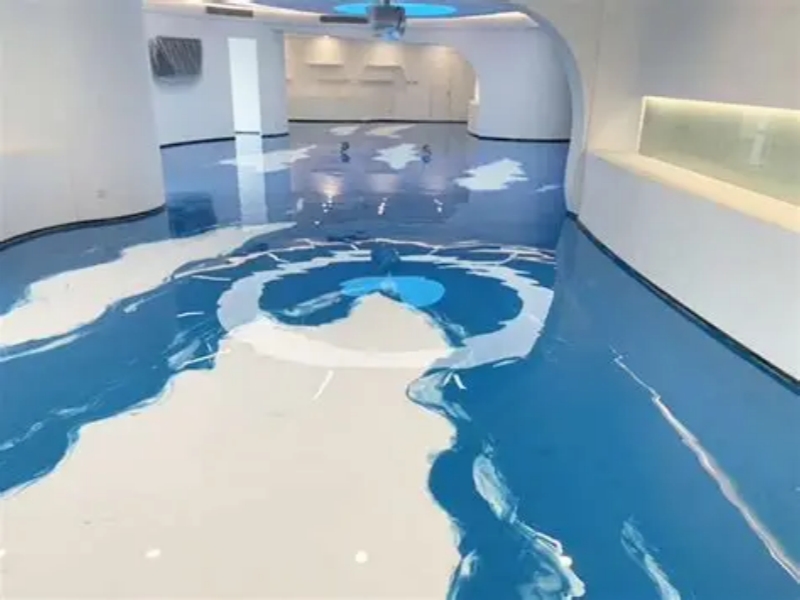
эпоксидная краска для пола

Дом

эпоксидная краска для пола

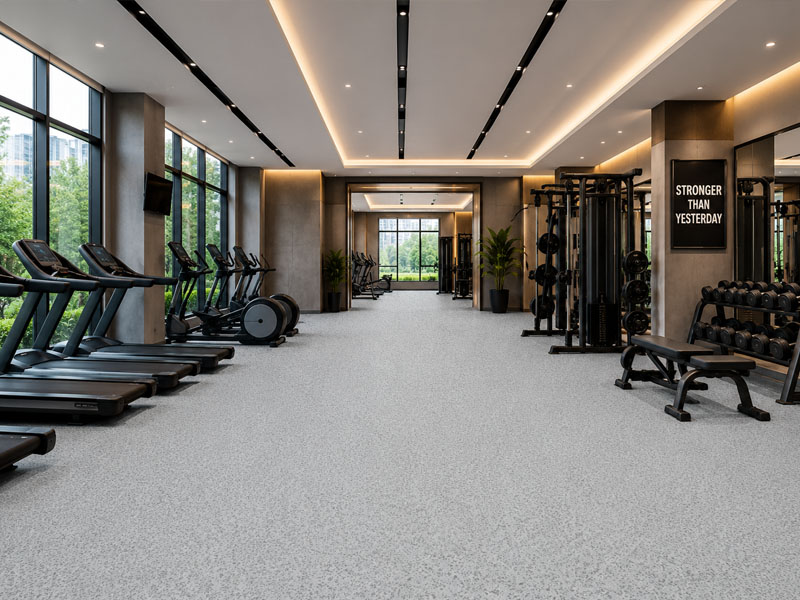
  • Water-Based Epoxy Color Sand Floor coatings: Ideal Flooring for Gyms and Fitness Rooms
    Water-Based Epoxy Color Sand Floor coatings: Ideal Flooring for Gyms and Fitness Rooms
    May 18, 2026
      Gym and fitness room floors require high slip resistance, durability, and hygiene to cope with daily high-intensity exercise and heavy foot traffic.   Traditional tiles and ordinary floors are slippery when wet, easy to wear, and difficult to clean, which cannot meet professional gym standards. For this reason, water-based epoxy color sand floor coatings has become the most popular choice for modern commercial gyms, yoga studios, and training centers. This water-based floor coating features low VOC, zero odor, and environmental safety, making it suitable for long-term indoor use. Its unique fine sand granular surface provides excellent anti-slip performance both dry and wet, effectively preventing falls caused by sweat and water stains during workouts.   With high hardness and strong wear resistance, the floor resists frequent trampling, equipment movement, and daily friction without peeling or fading. The seamless and dense structure leaves no gaps for dust, bacteria, or dirt accumulation. It is easy to clean and maintain, always keeping the gym floor fresh and hygienic.   In addition, water-based epoxy color sand coatings supports custom colors and matte finishes, creating a modern, energetic, and professional sports environment. It is the perfect cost-effective flooring solution for gym renovation and new construction projects.
    ЧИТАТЬ ДАЛЕЕ
  • Water-Based Epoxy Color Sand Floor Paint: A Perfect Alternative to Marble and Ceramic Tiles
    Water-Based Epoxy Color Sand Floor Paint: A Perfect Alternative to Marble and Ceramic Tiles
    May 11, 2026
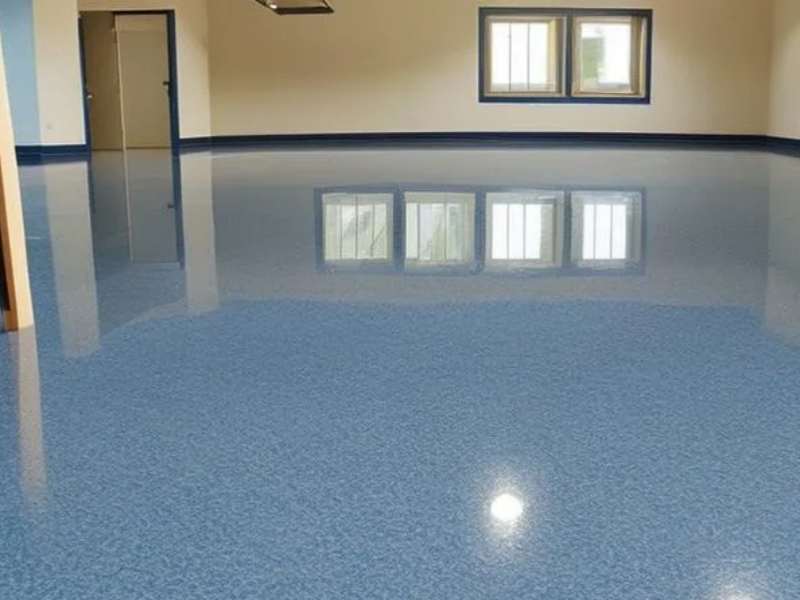
    Nowadays, marble and ceramic tiles have long been mainstream choices for interior flooring and wall decoration. However, they come with obvious drawbacks such as cold touch, slippery surface, complicated installation and high maintenance costs. As an innovative green flooring material, water-based epoxy color sand floor paint has gradually become a popular substitute for marble and tiles in residential, commercial and industrial spaces.   1. Overall Appearance & Aesthetic Effect Many people choose marble and tiles mainly for their beautiful texture and rich colors. Water-based epoxy color sand floor paint fully inherits the aesthetic advantages of traditional materials while creating a more unique visual experience. It can be customized into various tones, including classic gray, elegant beige, fresh blue and mixed color styles. The natural granular texture is delicate and layered, presenting a high-end decorative effect similar to natural marble. Unlike tiles with obvious grout lines, epoxy color sand forms an entirely seamless surface. There are no gaps on the floor, making the whole space look more spacious, integrated and modern. Whether for home decoration, exhibition halls, offices or retail stores, it can create a premium visual atmosphere. 2. Performance Comparison: Durability & Practicality Anti-slip & Safety Polished marble and glazed ceramic tiles are extremely slippery, especially when wet, which easily causes falls and hidden safety hazards, especially in corridors, bathrooms, garages and public areas. Water-based epoxy color sand floor paint has uniform fine sand particles on the surface. It maintains excellent anti-slip performance whether dry or wet, greatly improving walking safety. This feature makes it ideal for families with the elderly and kids, as well as high-traffic commercial venues. Wear Resistance & Service Life Natural marble has relatively low surface hardness. It is easy to leave scratches, abrasion marks and stains after long-term use, and it is also prone to cracking under heavy pressure. Ceramic tiles may crack or become loose at the grout after years of trampling. After complete curing, water-based epoxy color sand floor paint forms a high-hardness dense layer. It resists daily friction, rolling of light vehicles and heavy pedestrian flow. It is not easy to scratch, crack or peel off. With normal use and maintenance, its service life is comparable to or even longer than traditional marble and tiles. Waterproof, Stain-resistant & Easy Cleaning Marble has porous characteristics, so oil, coffee, juice and other stains will penetrate into the interior and leave permanent marks. Tile grout lines are easy to accumulate dust, mold and dirt, which are difficult to clean thoroughly. Water-based epoxy color sand floor paint is fully dense and non-porous. It is waterproof, oil-proof and anti-fouling. Daily dust and stains can be wiped clean just with a mop or rag. No special cleaning tools or chemicals are needed. There are no grout lines to hide dirt and mold, keeping the space hygienic all the time. 3. Environmental Protection & Comfort Natural marble may contain trace radioactive substances, which is not friendly for long-term indoor use. Traditional tile laying requires a lot of cement and auxiliary materials, and the construction process produces dust and noise. Water-based epoxy color sand floor paint uses water as the solvent, featuring low VOC, no pungent odor and formaldehyde-free. It meets international environmental standards such as CE and SGS. Construction is clean and quiet, and the space can be put into use quickly after curing. In terms of foot feel, marble and tiles are cold and hard all year round. Epoxy color sand has moderate softness and warmth, bringing a more comfortable walking experience for families and office staff. 4. Construction & Comprehensive Cost Natural marble is expensive in material cost, and the cutting, transportation and professional laying process require high labor costs and long construction cycles. The overall investment is very high. Ceramic tile construction also needs multiple processes including ground leveling, tile pasting and grout filling, which takes a lot of time and labor. Water-based epoxy color sand floor paint has simple construction procedures. It can be directly constructed on a flat base surface with fast curing speed and short project cycle. From material cost to construction cost, its total budget is much lower than marble, and also more economical than high-grade ceramic tiles. It is a cost-effective choice for large-area paving projects.  
    ЧИТАТЬ ДАЛЕЕ
  • Water-Based Epoxy Color Sand Floor Coating: Features, Applications and Installation Guide
    Water-Based Epoxy Color Sand Floor Coating: Features, Applications and Installation Guide
    May 08, 2026
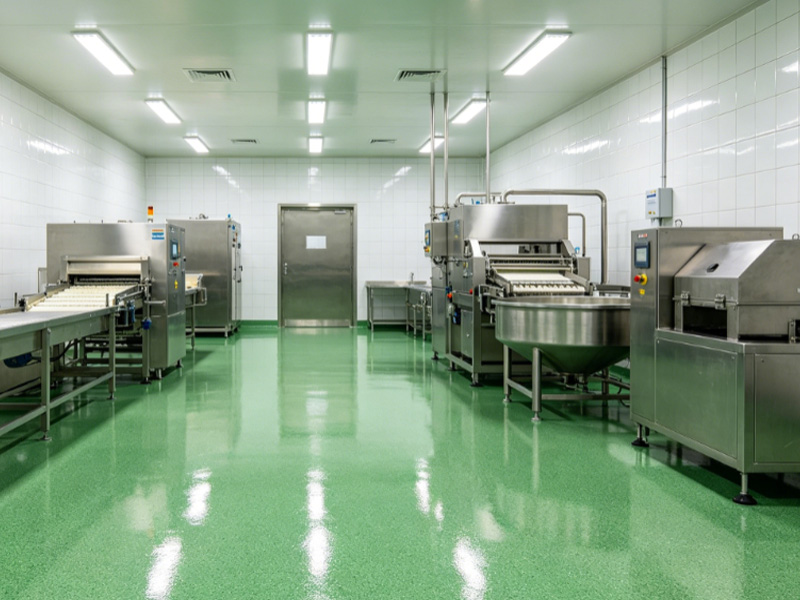
    1. What Is Water-Based Epoxy Color Sand Floor Coating? Water-based epoxy color sand floor coating is a new type of green environmental protection flooring material. It uses water-based epoxy resin as the main material and mixes with special colored quartz sand. After professional on-site mixing and roller coating or trowel construction, it forms a seamless, dense, uniform, and high-grade floor surface. Different from ordinary plain epoxy floor paint, color sand floor coating has natural granular texture, rich color layers, and a matte or semi-gloss finish. It avoids the problem of dazzling high-gloss reflection and provides a more comfortable and advanced visual effect. 2. Core Advantages of Water-Based Epoxy Color Sand Flooring Eco-friendly and Low VOC Water-based formula uses water as the dilution medium, no strong pungent odor, low VOC content, and meets international environmental protection standards such as CE and SGS. It can be constructed in occupied spaces and is very suitable for indoor closed environments. Seamless and Easy to Clean The integral seamless floor surface does not hide dust or bacteria. The dense coating effectively resists daily dust, oil stains, and dirt. Daily cleaning only requires simple mopping, which greatly reduces later maintenance costs. Excellent Wear and Scratch Resistance After curing, the color sand floor forms a high-hardness protective layer. It can resist frequent pedestrian walking, light trolley rolling, and daily friction, ensuring long-term service life in high-traffic areas. Anti-slip and Safe The fine granular texture provides stable anti-slip performance, even when the floor is slightly wet. It effectively prevents slipping accidents and is safer than ordinary smooth epoxy floors. Rich Colors and High Aesthetics Color sand supports customized color matching, including gray series, blue series, green series, beige series, and mixed color styles. The overall texture is natural, high-end, and not easy to fade, perfectly matching modern minimalist, industrial, and commercial decoration styles. 3. Main Application Scenarios Commercial Spaces Shopping malls, exhibition halls, office buildings, studios, and gyms prefer water-based color sand floor coating because of their high-grade texture, no odor after construction, and fast delivery. Industrial Workshops Electronics factories, food workshops, pharmaceutical workshops, and light industrial factories require clean, dust-free, and environmentally friendly floors. Water-based color sand is dust-proof, antibacterial, and compliant with industrial clean standards. Underground Parking Garages Garages need anti-slip, wear-resistant, and stain-resistant floors. Color sand garage floors can effectively solve tire friction marks, dust, and slippery problems, while improving the overall grade of the parking lot. Residential Interior Flooring More families choose water-based epoxy color sand floor coating for living rooms, corridors, and duplex building floors. No formaldehyde, seamless integration, and customizable colors make the whole house more simple and advanced. 4. Standard Installation Process Step 1: Floor base treatment — Grind, level, and remove dust to ensure a flat and solid base surface. Step 2: Primer coating — Roll water-based epoxy primer to enhance adhesion and seal the base floor. Step 3: Color sand mortar coating — Mix colored sand and water-based epoxy resin evenly, trowel or roll to form the main texture layer. Step 4: Topcoat protection — Apply transparent water-based topcoat to enhance wear resistance, anti-fouling, and gloss uniformity.
    ЧИТАТЬ ДАЛЕЕ

  • Who is best suited for water-based epoxy colored sand floor paint? Five precise matchmaking groups, no more confusion!
    Who is best suited for water-based epoxy colored sand floor paint? Five precise matchmaking groups, no more confusion!
    May 06, 2026
    "Is water-based epoxy colored sand floor paint suitable for my home?" Many people have this question during renovations. The truth is, there's no "one-size-fits-all" flooring material, only "suitable" groups. Today, we've summarized five groups most suited for water-based epoxy colored sand floor paint, and based on their core needs, we'll help you quickly determine if you fit the bill.   1. Families with elderly and children - Prioritize "environmental safety" Core needs: The floor should be non-toxic, non-slip, and resistant to bumps and bruises, preventing children from chewing on it and elderly people from slipping and injuring themselves. Reasons for Suitable: Water-based epoxy colored sand floor paint has a low VOC content (≤100g/L) and releases no formaldehyde or heavy metals after curing, making it suitable for barefoot children. The medium sand particle size (0.5-1mm) and matte finish provide an anti-slip coefficient of ≥0.6, preventing elderly people from slipping. The high surface hardness prevents children from jumping and toys from bumping into it, and subsequent cleaning requires only a damp cloth, saving time and effort.   Recommended Solution: Use light gray and off-white 0.5mm fine sand (matte finish) throughout the home. Add cartoon mosaics to the children's room. Use 1mm medium sand for enhanced anti-slip properties around the kitchen and bathroom doorways.   2. Pet-Friendly Homes - Addressing the Pain Points of "Scratching and Urine Stains" Core Requirements: Floors should be scratch-resistant, urine-resistant, and easy to clean, preventing damage from pets and urine odors. Suitable for: Water-based epoxy colored sand floor paint has a surface hardness of 2-3H, leaving no visible scratches from pet claws. The acid- and alkali-resistant topcoat resists pet urine, leaving no traces within 12 hours. The seamless design traps fur, allowing daily vacuuming without frequent mopping (to prevent slippery, damp feet).   Recommended: Use light brown and dark green 0.8mm medium sand (matte finish) throughout the home. Create a 0.5% slope (inclining toward the drain) in the pet restroom area, and partially thicken the floor in the eating area to 2mm.   3. Renovators of older homes – Seeking "saving time, effort, and no disruption to neighbors"   Core needs: Avoiding the cost of demolishing the old floor (which is costly and disruptive), ensuring no reduction in floor height after renovation, and enabling quick move-in. Suitable for: Water-based epoxy colored sand floor paint can be applied directly onto smooth, old tile or concrete floors (no brick removal required), shortening the construction period by 3-5 days and reducing neighborhood complaints. With a total thickness of only 1-2mm, it preserves the valuable height of older homes (especially suitable for homes with ceilings under 2.7 meters). It's environmentally friendly and can be moved in 7-15 days after application, allowing for ventilation and eliminating the need for long-term rental transitions.   Recommended: Sand the old tile floor before applying directly. Choose a 0.5mm fine sand that matches the original floor color, and create a patchwork pattern to cover imperfections in the old floor.   4. Basement Renovation - Overcoming the "Moisture and Mold" Challenge   Core Requirements: Moisture-resistant, moisture-resistant, and wear-resistant flooring for basement conversion into storage, garage, or media room. Reasons for selection: The water-based epoxy colored sand  floor paint  seamless sealant + moisture-proof primer blocks moisture penetration from the basement, preventing water seepage and mold growth during the rainy season. The surface is moisture-resistant and mildew-resistant, preventing mold growth even in poorly ventilated basements. Its high pressure resistance allows it to withstand the weight of storage racks and vehicles, making it suitable for a variety of basement functions.
    ЧИТАТЬ ДАЛЕЕ
  • Common Myths About Water-Based Epoxy Colored Sand Floor Paint Debunked: 5 Misconceptions to Avoid!
    Common Myths About Water-Based Epoxy Colored Sand Floor Paint Debunked: 5 Misconceptions to Avoid!
    May 05, 2026
    Myth 1: Water-Based Epoxy Colored Sand is Not Abrasion-Resistant and Will Flake Off After One Year   Truth: High-quality water-based epoxy colored sand floor paint has a surface hardness of 2-3H and an abrasion resistance coefficient ≥0.5g/1000 revolutions (national standard requirement ≤0.8g/1000 revolutions). With normal household use (average daily foot traffic ≤100), it can last 8-15 years and won't flake off after one year.   Causes of flake off: Most often due to purchasing inferior product (poor compatibility between colored sand and resin) or an imbalance in the ratio of colored sand to curing agent during application (too little curing agent), rather than inherent abrasion resistance of the water-based paint.   Verification Method: Ask the merchant for an "Abrasion Resistance Test Report" when purchasing, and supervise workers during application to ensure they mix the materials according to the product instructions.   Myth 2: Water-based epoxy floor paint is less durable than solvent-based epoxy floor paint.   Truth: The core difference between the two lies in the solvent, not durability. High-quality water-based epoxy floor paint  and solvent-based epoxy floor paint offer similar abrasion and compression resistance, but water-based paint is more environmentally friendly (lower VOC content) and more flexible (elongation at break ≥20%, compared to approximately 10% for solvent-based flooring). It is also less susceptible to cracking due to temperature fluctuations, making it suitable for colder northern regions.   Myth: Some people believe that "solvent-based flooring has a stronger odor = more durable." In reality, the strong odor is due to the presence of large amounts of organic solvents and has nothing to do with durability.   Myth 3: Floors become slippery in rainy weather, making them unsafe for the elderly and children.   Truth: Water-based epoxy floor paint contains inherent colored sand particles with an anti-slip coefficient of ≥0.5 (the national standard requires ≥0.5 for public spaces and ≥0.4 for homes). When water accumulates on rainy days, the gaps between the particles allow water to escape, making it more slip-resistant than smooth ceramic tiles (with an anti-slip coefficient of approximately 0.3). Slippery Causes: Selecting fine sand (<0.3mm) with glossy topcoat (surface too smooth), or greasy floor stains (greasy floor stains reduce the anti-slip coefficient). Solution: For homes and public spaces, prefer medium sand (0.5-1mm) with matte topcoat, and clean the floor regularly.   Myth 4: The space needs to be ventilated for 3 months after construction before moving in.   Truth: High-quality water-based epoxy colored sand floor paint has a VOC content of ≤100g/L, has no noticeable pungent odor during construction, and releases ≤0.03mg/m³ (formaldehyde) after curing (7 days). Ventilation is sufficient for 7-15 days before moving in, eliminating the need for a "3-month ventilation" period.   Source of Misconception: Confusion between "water-based paint" and "solvent-based paint." Solvent-based epoxy floor paint, due to its high VOC content (≥300g/L), requires 1-3 months of ventilation, while water-based paint does not. Verification method: Test with a formaldehyde detector after construction. If the readings meet the standard, you can move in.   Myth 5: The brighter the color, the less environmentally friendly it is.   Truth: The environmental friendliness of water-based epoxy colored sand floor paint depends on the resin purity and solvent content, not the color. High-quality, bright colors (such as red and blue) use inorganic pigments (which are environmentally friendly and non-toxic), and their VOC content can also be ≤100g/L. Low-quality, light-colored paints that contain organic solvents will also fail to meet environmental standards. Avoidance method: Regardless of the color, always check the environmental test report (focusing on VOC, formaldehyde, and heavy metal content) rather than judging based solely on color.
    ЧИТАТЬ ДАЛЕЕ
  • Pairing Water-based Epoxy Colored Sand Floor Paint with Soft Furnishings: Three Principles + Scene Design to Enhance the Sense of Luxury
    Pairing Water-based Epoxy Colored Sand Floor Paint with Soft Furnishings: Three Principles + Scene Design to Enhance the Sense of Luxury
    May 02, 2026
    1. Three Key Coordination Principles to Avoid Overdoing It   Color Coordination: Follow the "6:3:1" rule: The floor color should account for 60% of the space's color palette (primary color), the walls 30% (secondary color), and the soft furnishings (curtains, pillows) 10% (accents). For example: Choose light gray colored sand for the floor (primary color), off-white latex paint for the walls (accents), and light blue for the curtains and pillows (accents) for a harmonious, seamless overall look.   Textural Complementarity: Balancing "hard" and "soft": Water-based epoxy colored sand (especially coarse sand) has a "hard" grainy texture and needs to be balanced with softer soft furnishings—such as fabric sofas, carpets, and cotton and linen curtains. Avoid using only hard materials like metal and glass, which can create a cold, stark impression. Consistent Style: The floor texture should match the overall style: For a modern minimalist look, choose fine sand (0.3-0.5mm) with a matte finish, perfect with minimalist furniture; for a retro look, choose coarse sand (1-1.5mm) with a distressed finish, perfect with vintage wood and leather furniture; for an industrial look, choose dark gray coarse sand, perfect with iron and concrete soft furnishings to avoid mixing styles.   2. Apply the matching scheme to different spaces directly   Living Room: Emphasize "Warmth and Practicality"   Floor: Light gray 0.5mm fine sand (matte finish), versatile with any furniture.   Soft Furnishings:   Furniture: Natural wood-colored fabric sofa (soft texture to offset the graininess of the floor), black metal coffee table (with a few touches of cool, hard texture).   Walls: Off-white latex paint, with a simple linear painting (the color matches the sofa cushions).   Floor: Light gray low-pile rug (placed in front of the sofa to avoid blocking the floor texture), with matching cushions in the same color.​ Bedroom: Create a "Quiet and Comfortable" Atmosphere   Floor: Light brown 0.3mm fine sanding (matte finish), warm and non-glaring.   Soft Furnishings:   Furniture: White solid wood bed (warm texture harmonizes with the floor), light brown bedside table (matches the floor color to enhance unity).   Walls: Light beige latex paint, warm-toned abstract painting above the bed.   Floor Decoration: White plush mat next to the bed (easy to walk on barefoot), light brown linen curtains (transparent and non-glaring).   Café: Create a "Retro and Artistic" Check-in Spot   Floor: Caramel 1.5mm coarse sanding (distressed finish), with a vintage feel.   Soft Furnishings:   Furniture: Dark brown leather sofa (matches the floor color to enhance the retro feel), natural wood solid wood tables and chairs (warm texture neutralizes the coarse sand particles). Walls: Cement paint (partial) + off-white latex paint (main body). Hang retro posters and wooden shelves (for plants and books). Lighting: Warm yellow pendant lamp (2.2-2.5 meters above the floor). The light shines on the floor, highlighting the texture of the colored sand particles.   3. Avoiding Pitfalls: 3 Coordinating Mistakes Don't Choose "Highly Saturated Colors" for Floors with "Highly Saturated Colors" for Soft Furnishings: For example, a red floor with an orange sofa can be too visually impactful and cluttered. It's recommended to pair a high-saturated floor (such as dark green or caramel) with low-saturated soft furnishings (white, gray, or beige). Don't overlook the impact of lighting on the floor: For basements and dark living rooms, choose a light-colored floor (such as off-white or light gray) and pair it with ceiling lights and spotlights to brighten the space. For bright living rooms, choose a dark floor (such as dark gray) and a warm-glowing pendant lamp to create a calming atmosphere. Don't use heavy carpeting for the entire floor: The texture of water-based epoxy colored sand floor paint is its highlight, and a full carpet will completely obscure it. Instead, use small rugs (≤ 1/3 of the floor area) to enhance the space without sacrificing the floor's aesthetic appeal.
    ЧИТАТЬ ДАЛЕЕ
  • Choose Water-Based Epoxy Colored Sand floor paint  for Old House Renovations: 3 Major Advantages + Tips to Avoid Pitfalls, Revitalize Old Floors Without the Hassle
    Choose Water-Based Epoxy Colored Sand floor paint for Old House Renovations: 3 Major Advantages + Tips to Avoid Pitfalls, Revitalize Old Floors Without the Hassle
    Apr 13, 2026
    The biggest headache of renovating an old house is floor treatment—removing old tiles is expensive and inconvenient, while applying conventional floor paint can be environmentally unfriendly. However, water-based epoxy colored sand floor paint, with its advantages of "thin application without raising the surface," "environmental protection, no odor," and compatibility with old subgrades, has become the optimal solution for renovating old house floors. Today, let's discuss how to install it hassle-free for renovating an old house. 1. 3 Core Advantages of Choosing It for Old House Renovations No need to remove old floors, saving time and effort: If the old floor (cement tile or concrete) is smooth and free of hollows, you can directly apply the paint after sanding the surface, eliminating the "removal and removal" process, shortening the construction time by 3-5 days and reducing neighborhood complaints. Thin coatings don't take up too much floor space: With a total thickness of only 1-2mm, they don't constrict the space like wood flooring (which takes up 3-5mm). They're particularly suitable for older homes with ceiling heights under 2.7 meters. Suitable for dampness in older homes: Older homes often experience moisture buildup in corners. The seamless design of water-based epoxy colored sand combined with a moisture-proof primer blocks moisture penetration, preventing mold and bulging. 2. Two Essential Substrate Treatments Before Renovation Check the condition of the old floor: Tile floors should be inspected for hollows (tap and listen; if hollows exceed 10%, remove them). Cement floors should have cracks repaired (fill with epoxy mortar) to ensure a flatness tolerance of ≤3mm. Thoroughly clean and decontaminate: Remove oil and wax deposits from old tiles by soaking them in an alkaline detergent and then scrubbing. Dust from cement floors should be removed repeatedly with a vacuum cleaner and mop to prevent adhesion. 3. Pitfalls to Avoid When Renovating an Old House Don't be tempted to "do it all in one go": If the old floor is too dark (such as dark brown tiles), apply a layer of opaque primer before applying the sandblasting coat. Otherwise, the color will show through, causing color discrepancies. Allow space for furniture to enter and exit: Old houses often have narrow door gaps. Measure the door bottom height before construction. If the sandblasting coat is thicker than the gap, raise the gap in advance to prevent the door from becoming blocked later. Choose a "fast-drying" product: Old house renovations often require ongoing living. Choose a fast-drying water-based epoxy sandblasting product with a surface cure time of 4 hours and a full cure time of 24 hours to minimize disruption to your daily life.
    ЧИТАТЬ ДАЛЕЕ
  • Water-Based Epoxy Colored Sand Floor Paint: A Guide to 3 Major Application Scenarios
    Water-Based Epoxy Colored Sand Floor Paint: A Guide to 3 Major Application Scenarios
    Apr 09, 2026
    Theory isn't as intuitive as practice. The following three case studies, covering different scenarios, condense the core application logic of water-based epoxy colored sand floor paint to help you quickly gain practical inspiration. Case 1: 140㎡ Modern Minimalist Home (Family with Children) Core Requirements: Environmentally friendly, odorless, slip-resistant, and stain-resistant, while maintaining a minimalist style. Solution: Use 0.3mm light gray fine sand (matte finish) throughout the home. Create a dark gray fine sand circular mosaic with metal strips in the living room sofa area. Switch to 1mm dark gray medium sand (slip-resistant and oil-resistant) in the kitchen. Use 0.3mm light blue fine sand and cartoon colored sand mosaic in the children's room. Highlights: After application, air it out overnight before moving in, allowing children to play barefoot. Juice and oil stains are easily wiped away, and there's no fading or delamination for a year. Feedback: "It's much more practical than old wood floors, durable, and makes the space appear larger." Case 2: 60㎡ Retro-Style Cafe (High Traffic) Core Requirements: Retro atmosphere, durable and easy to clean, and inviting for photos. Solution: 1.5mm caramel-colored coarse sandpaper (lightly sanded for distressing), black medium sandpaper for the bar frame and copper strips, dark green medium sandpaper for striped mosaics near the window, and a colorful sand logo at the entrance. Highlights: The distressed texture complements the retro style and creates a photo-op; coffee spills can be wiped with a damp cloth, and after six months of high traffic, there's no noticeable wear. Feedback: "The floor has a natural 'atmosphere' and is easier to maintain than expected." Case 3: 150㎡ Home Garage (Double Parking) Core Requirements: Anti-slip (in rainy weather), heavy-duty, and clearly demarcated parking spaces. Solution: 2mm dark gray coarse sand (anti-slip coefficient 0.7), yellow medium sand for marking parking spaces and license plate numbers, white lines for lanes, red colored sand for corner warnings, and a blue medium sand border around the charging station area. Highlights: No slipping when parking in the rain, no cracking after two years of vehicle damage; even novice drivers can find a parking space quickly. Feedback: "It's easier to use than the residential concrete floor, dirt-resistant, and safer."
    ЧИТАТЬ ДАЛЕЕ
  • Разница между традиционным терраццо и эпоксидным терраццо
    Разница между традиционным терраццо и эпоксидным терраццо
    Sep 15, 2025
    Состав материала   Традиционный терраццо использует в качестве связующего вещества портландцемент или белый цемент, смешанный с такими заполнителями, как щебень, стекло и кварц, а затем шлифуется и полируется для создания поверхности. Эпоксидный терраццо В качестве связующего вещества используется модифицированная эпоксидная смола, что позволяет использовать более широкий спектр заполнителей (например, натуральный мрамор и кварц) и добиваться бесшовной интеграции.   Производительность Трещиностойкость: прочный полимерный материал эпоксидного терраццо снижает риск образования трещин при колебаниях температуры. Традиционный терраццо, благодаря высокому коэффициенту расширения, подвержен растрескиванию из-за теплового расширения и сжатия.   Устойчивость к пятнам: Плотная поверхность эпоксидного терраццо устойчива к пятнам и легко чистится и ухаживается. Пористая структура традиционного терраццо легко накапливает пятна и требует регулярной кристаллизации.   Износостойкость: эпоксидный терраццо обладает превосходной прочностью на сжатие и изгиб, срок службы составляет до 10 лет. Традиционный терраццо подвержен шлифовке и растрескиванию, а также не долговечен при частом использовании.   Цветовые характеристики: в эпоксидном терраццо используется цветная паста для создания более насыщенных и ярких цветов; в традиционном терраццо используются пигменты, что приводит к монотонному цвету.   Применимые сценарии   Эпоксидный терраццо подходит для элитных коммерческих помещений (например, торговых центров и отелей) благодаря своим высоким декоративным свойствам и долговечности. Традиционный терраццо, благодаря своей экономичности, часто используется в общественных зданиях, таких как школы и больницы.
    ЧИТАТЬ ДАЛЕЕ
  • Что такое эпоксидный терраццо?
    Что такое эпоксидный терраццо?
    Sep 15, 2025
    Эпоксидный терраццо — это усовершенствованная версия терраццо, также известная как органический терраццо. В качестве связующего используется эпоксидная смола, смешанная с такими наполнителями, как стекло, ракушки и драгоценные камни. Материалы и процессы. Состав материала: В качестве связующего используется модифицированная эпоксидная смола с широким выбором заполнителей (например, нефрит, кварц и т.д.). Бесшовная поверхность формируется путём тонкого шлифования и полировки. Процесс строительства: Он включает в себя сложные процессы, такие как грунтовка, распределение заполнителя, отверждение и многократная полировка. Готовое изделие отличается высокой плоскостностью и яркими цветами. Преимущества производительности: Декоративность: поддерживает плавный подбор цветов и индивидуальный дизайн узоров, с глянцевитостью, близкой к зеркальному эффекту, и яркой художественной выразительностью. Долговечность: он устойчив к давлению, износу и химической коррозии, срок службы более 10 лет, его трудно растрескать или обесцветить. Простота ухода: плотная поверхность обладает высокой устойчивостью к пятнам, легко чистится и подходит для мест с повышенными требованиями к гигиене. Области применения: используется преимущественно в элитных коммерческих помещениях (например, в гостиницах, торговых центрах и выставочных залах). Не подходит для использования на открытом воздухе и в основном используется для внутренней отделки помещений.  
    ЧИТАТЬ ДАЛЕЕ
  • Выбор варианта ремонта пола на кухне: преимущества эпоксидной краски для пола с песочным оттенком
    Выбор варианта ремонта пола на кухне: преимущества эпоксидной краски для пола с песочным оттенком
    Sep 02, 2025
    Почему на кухне требуются специальные напольные материалы?Частое использование: Кухня является центром семейного отдыха, и ее напольное покрытие выдерживает суровые условия ежедневной готовки.Распространенные проблемы:Частые проливы трудновыводимых пятен, таких как масло, соусы и красители; Воздействие пара и высоких температур во время приготовления пищи; Риск падения тяжелых предметов, таких как кастрюли и кухонные принадлежности; Длительное приготовление пищи стоя требует удобного и прочного пола.Преимущества эпоксидная краска для пола цвета песка:1. Отличная устойчивость к пятнам и лёгкость очистки. Плотная поверхность предотвращает проникновение масла и соуса. Легко очищается одним протиранием, экономя время и силы. Предотвращает рост бактерий и плесени, отвечая стандартам гигиены кухни.2. Отличные водо- и влагозащитные свойства. Образует бесшовный водонепроницаемый слой, полностью предотвращая проникновение водяного пара. Защищает основание от влаги. Идеально подходит для кухонь, требующих частой уборки.3. Устойчив к истиранию и давлению, что обеспечивает долговечность. Отличные механические свойства позволяют выдерживать сильные удары. Устойчив к трению и износу от передвижных столов и стульев. Сохраняет свой первозданный вид даже при длительном использовании.4. Противоскользящее покрытие снижает потенциальную угрозу безопасности. Тонкая текстура обеспечивает превосходные противоскользящие свойства. Сохраняет безопасность даже при попадании влаги или масляных пятен. Идеально подходит для домов, где проживают пожилые люди и дети.5. Красивый и разнообразный дизайн подчеркнёт ваш вкус. Широкий выбор цветов дополнит различные стили кухни, гармонично сочетаясь как с современным минималистичным, так и с деревенским стилем. Подчеркнёт общую эстетику и ценность вашей кухни.6. Простота установки и обслуживания. Простой монтаж и быстрое время строительства. Для ежедневной уборки достаточно протереть поверхность шваброй с водой. Стойкие пятна можно удалить нейтральным моющим средством.7. Высокая рентабельность и долгосрочные преимущества. Первоначальные инвестиции обеспечивают долгосрочную выгоду. Снижает ежедневные расходы и время на обслуживание. Длительный срок службы и исключительная ценность.
    ЧИТАТЬ ДАЛЕЕ
  • Полное руководство по созданию художественной эпоксидной краски для пола на водной основе: идеальное руководство от подготовки до завершения
    Полное руководство по созданию художественной эпоксидной краски для пола на водной основе: идеальное руководство от подготовки до завершения
    Jul 04, 2025
    Если вы хотите создать потрясающий эпоксидная художественная краска для пола на водной основеПрофессиональное и стандартизированное строительство имеет решающее значение. Далее мы подробно рассмотрим весь процесс, от предварительной подготовки до финальной отделки, чтобы помочь вам добиться идеального результата.1. Тщательная подготовка перед строительством Обработка основания пола Убедитесь, что пол сухой и ровный, тщательно удалите с него масло, пыль, незакрепленные частицы и другой мусор. Для старых полов используйте шлифовальную машину, чтобы отполировать, удалить старые покрытия и плавающий налет, чтобы пол образовал однородную шероховатую поверхность и улучшил адгезию. Если на полу есть трещины или впадины, заделайте их эпоксидным раствором и отполируйте еще раз после высыхания. Подготовка строительных инструментов и материалов Подготовьте строительные инструменты, такие как валики, скребки, краскопульты и миксеры, чтобы убедиться, что они чистые и не содержат загрязнений. Строго соблюдайте пропорции, указанные в инструкции к продукту, смешайте основное вещество и отвердитель, добавьте цветную пасту для получения нужного цвета в соответствии с требованиями художественного эффекта, а приготовленную краску необходимо израсходовать в течение указанного времени.2. Упорядоченный процесс строительстваНанесение грунтовкиРавномерно распределите подготовленную эпоксидную грунтовку на водной основе по обработанному полу с помощью валика, чтобы обеспечить равномерную толщину покрытия без пропусков и подтеков.Время высыхания грунтовки обычно составляет 4–8 часов (в зависимости от температуры и влажности окружающей среды). Следующий этап можно выполнить после высыхания.Нанесение промежуточного слояСмешайте эпоксидный промежуточный материал на водной основе с соответствующим количеством кварцевого песка и нанесите его скребком.Его можно наносить несколько раз в зависимости от толщины слоя. Каждый раз необходимо дождаться полного высыхания предыдущего слоя. После нанесения промежуточного слоя пол образует шероховатую поверхность, готовую к нанесению финишного слоя.Нанесение верхнего слояЕсли вы хотите получить эффект чистого цвета, используйте валик для равномерного распределения подготовленного верхнего покрытия.Если вам нужна художественная фактура, используйте такие инструменты, как краскопульты и скребки: краскопульты для создания градиентного эффекта и скребки для создания неровных геометрических текстур. Обращайте внимание на скорость и равномерность нанесения во время работы, чтобы избежать разницы в цвете и неровностей.3. Завершающие штрихи обработки и обслуживания поверхностиОбработка поверхности (глазурование)После нанесения верхнего слоя равномерно нанесите валиком или распылителем эпоксидную глазурную краску на водной основе на поверхность верхнего слоя, чтобы образовалась прозрачная защитная пленка.После высыхания глазурованной краски повышается износостойкость, устойчивость к пятнам и блеск пола, повышается устойчивость к ультрафиолетовому излучению и замедляется старение.ОбслуживаниеПериод ухода обычно составляет 7–10 дней. В течение этого периода следует избегать ударов по полу тяжёлыми предметами и царапин острыми предметами. Запрещается ходить по незатвердевшему полу людям и транспортным средствам.Хорошо проветривайте помещение, чтобы краска для пола полностью высохла и достигла оптимальных характеристик.
    ЧИТАТЬ ДАЛЕЕ
1 2
Всего 2страницы

оставить сообщение

оставить сообщение
Если вы заинтересованы в нашей продукции и хотите узнать более подробную информацию, пожалуйста, оставьте сообщение здесь, мы ответим вам, как только сможем.
представлять на рассмотрение

Дом

Продукты

WhatsApp

Связаться с нами

Start a Conversation

Hi! Click one of our members below to chat on