Villa Water-Based Epoxy Color Sand Self-Leveling Floor | Luxury Seamless Liquid Marble Flooring
Aug 18, 2026
Luxury villa water-based epoxy color sand self-leveling floor paint provides seamless liquid marble stone effect, eco-friendly, high hardness, scratch-resistant, perfect for modern villa interior flooring, living room, basement and balcony decoration.
Modern high-end villa decoration is increasingly pursuing integrated seamless flooring, natural stone texture, healthy environmental protection and easy daily maintenance. Traditional tiles have grout dirt problems, and natural marble is expensive, heavy and difficult to install.
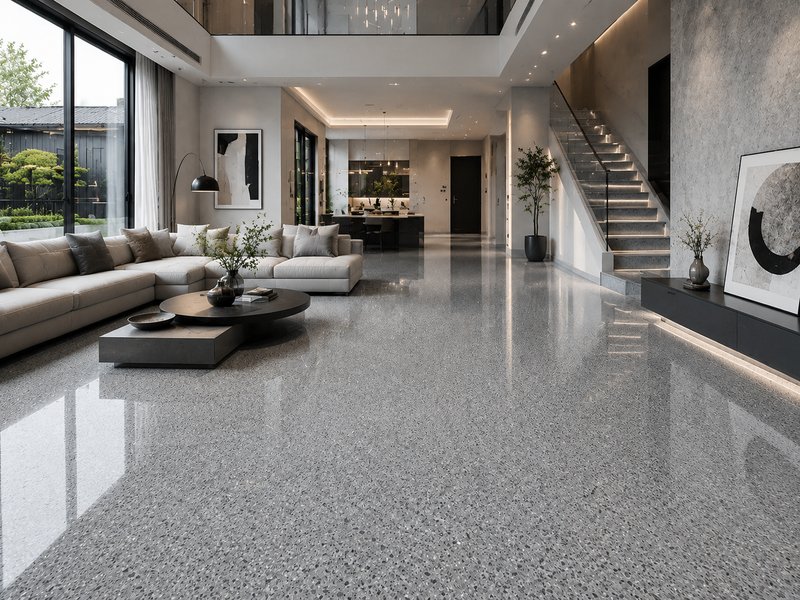
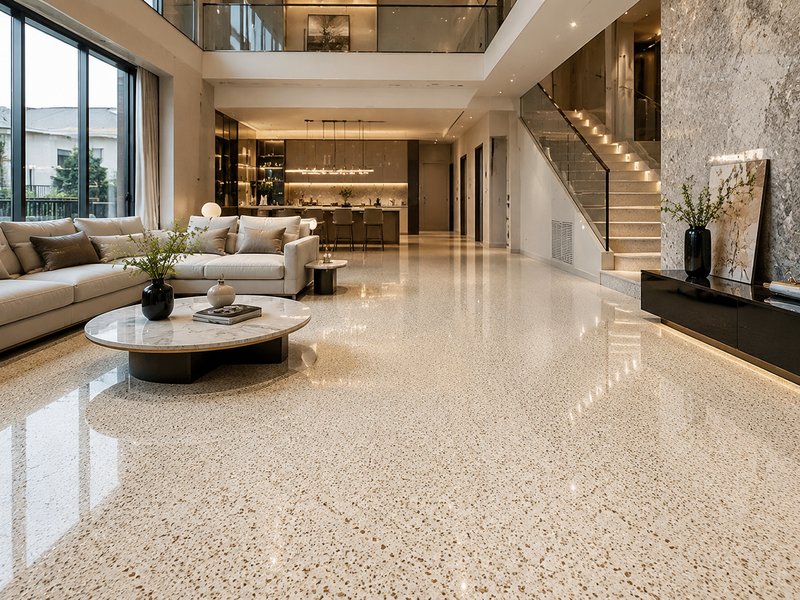
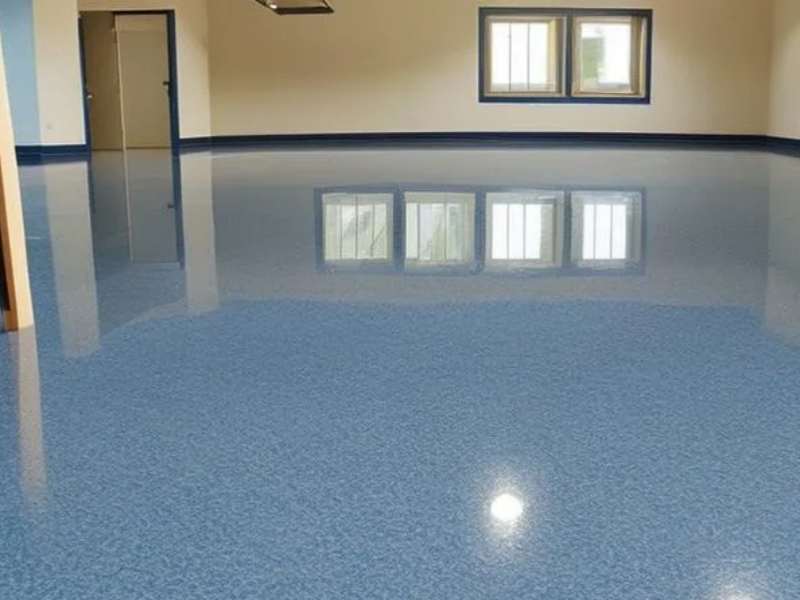
Water-based epoxy color sand self-leveling flooring, also widely known as liquid marble flooring or liquid terrazzo flooring, has become the most popular luxury flooring solution for modern villas. It perfectly combines high-end decorative appearance and practical floor performance.
What Is Villa Water-Based Epoxy Color Sand Self-Leveling Floor?
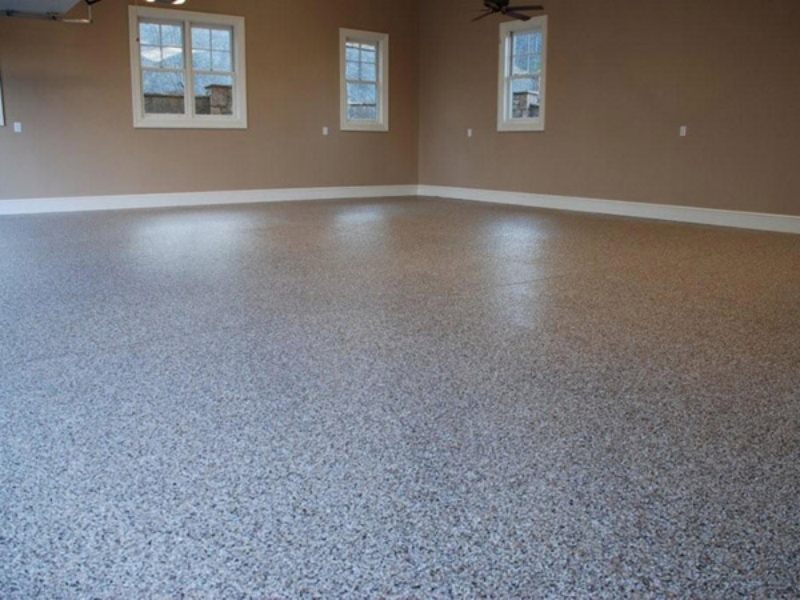
Different from ordinary thin floor paint, villa-grade water-based epoxy color sand self-leveling system adopts water-based eco-friendly epoxy resin + natural colored quartz sand. After professional self-leveling construction, it forms an integral seamless floor with natural gradient stone texture.
The whole floor has no seams, no gaps, no hollowing, presenting a high-grade liquid marble visual effect. It is the best alternative to natural marble and traditional terrazzo for villa interior decoration.
Core Advantages for Villa Home Decoration
1. Zero Formaldehyde & Low VOC, Healthy for Family
Adopts pure water-based formula, no pungent odor during construction and after curing. It meets high-end residential environmental protection standards, safe for children rooms, bedrooms and long-term family living spaces.
2. Fully Seamless, No Dust & No Dirt Accumulation
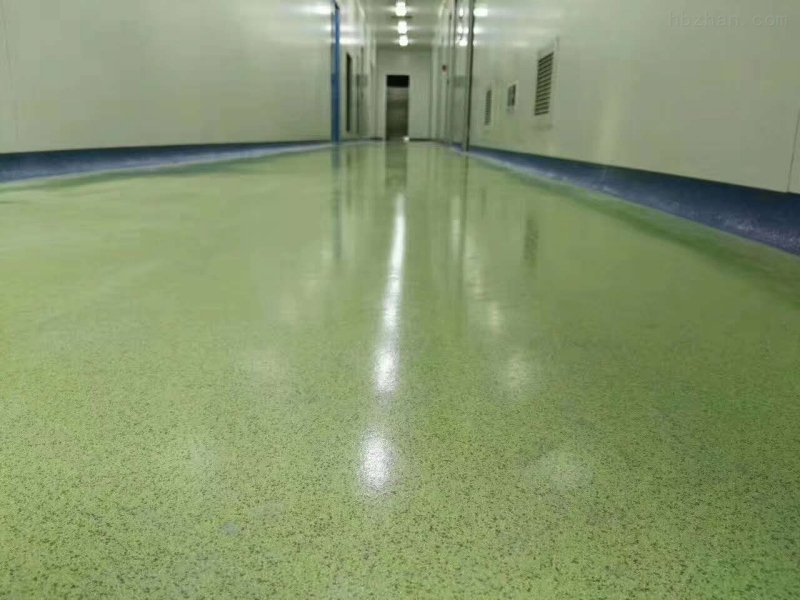
Tiles have grout lines that easily hide bacteria, mold and dust. The epoxy color sand self-leveling floor is one-piece seamless, completely solving the problem of dirty floor gaps, super easy to clean and maintain.
3. High Hardness & Strong Scratch Resistance (Up to 7H)
The cured floor reaches 7H pencil hardness, resisting daily scratches from shoes, furniture movement and small hard objects. It will not leave traces under normal villa home use, maintaining long-term new floor effect.
4. Luxury Liquid Marble & Custom Texture
Supports customized color matching, sand particle size and gloss effect (matte / satin / high gloss). It can simulate luxury marble, gradient stone and modern minimalist texture, matching any modern, light luxury, industrial and Nordic villa style.
5. Crack-Resistant & Wear-Resistant, Long Service Life
The color sand mortar layer enhances the floor strength greatly. The floor is compression-resistant, wear-resistant and not easy to crack. Compared with ordinary floors, it has longer service life and more stable performance for villa long-term use.
6. Integral Whole-House Floor Solution
Can be constructed in one continuous piece for living room, dining room, corridor, basement, indoor balcony and study room, realizing unified whole-house high-end decorative effect.
Professional Villa Flooring Construction System
We adopt complete villa-grade water-based epoxy color sand self-leveling construction process to ensure flatness, density and luxury appearance:
1. Water-based epoxy primer — Penetrate and strengthen the concrete base, enhance adhesion
2. Epoxy color sand mortar layer — Integral leveling, forming stone texture base
3. Fine putty sealing layer — Repair tiny pores, make floor more delicate
4. High-performance water-based polyurethane topcoat — Anti-yellowing, dust-proof, stain-resistant protection
Best Application Scenarios
- Modern villa whole-house interior flooring
- Villa living room, hallway, dining room, study room
- Villa basement, entertainment room, gym room
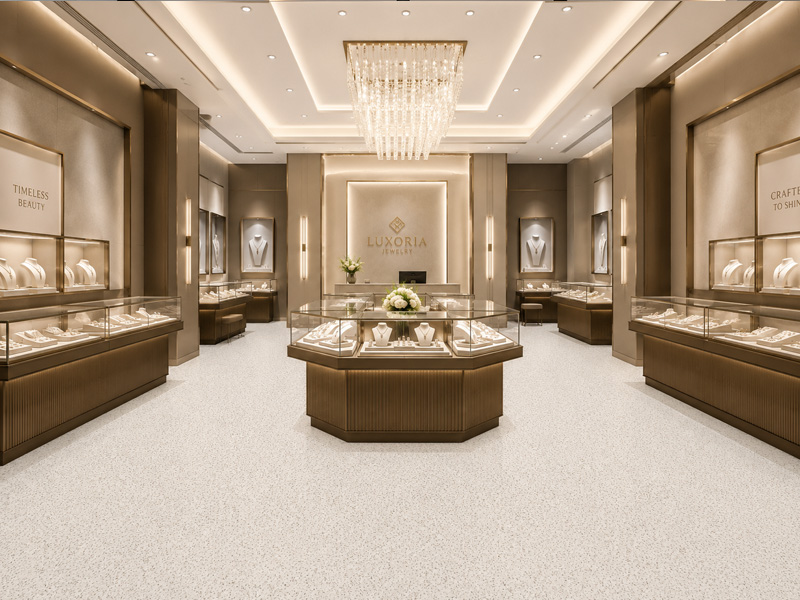
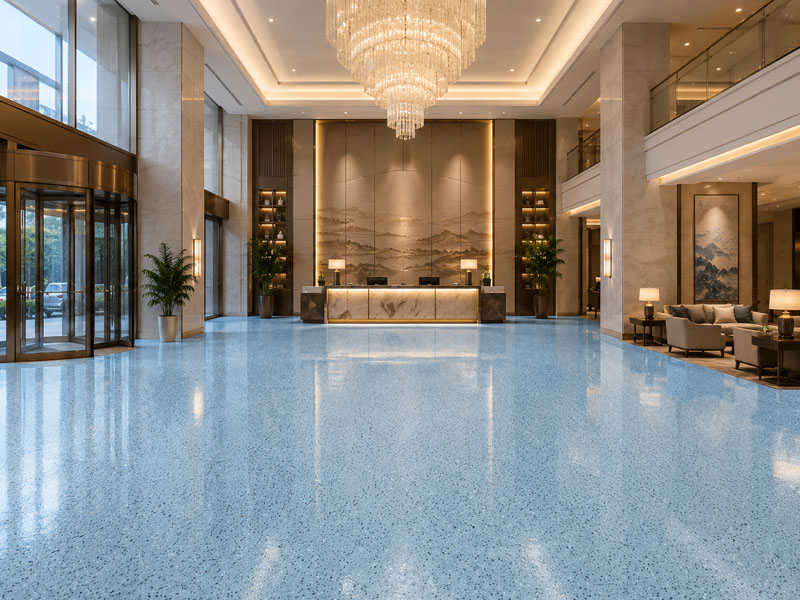
- High-end club, show flat, luxury exhibition space
- Cafés, high-end retail and studio decoration
FAQ for Villa Epoxy Color Sand Flooring
Q1: Is water-based epoxy color sand floor safe for home use?
Yes. Water-based formula features low VOC, odorless and eco-friendly. It is specially developed for high-end residential decoration, completely safe for family living.
Q2: Will epoxy color sand floor turn yellow?
With our professional anti-yellowing water-based polyurethane topcoat, the indoor floor can maintain stable color and will not turn yellow for a long time.
Q3: Is seamless epoxy floor hard to maintain?
No. The seamless surface is stain-resistant. Daily cleaning only needs mopping with water, much easier than tiles and natural marble.
Become Our Global Distributor & Get Factory Price
We are a 20-year professional floor coating manufacturer specializing in villa-grade water-based epoxy color sand self-leveling flooring, liquid marble and liquid terrazzo systems.
We provide factory direct price, complete technical support, construction guidance and global dealer cooperation policy. Welcome global building material distributors, decoration companies and engineering contractors to cooper
ЧИТАТЬ ДАЛЕЕ






 Поддерживается сеть IPv6
 Русский